Electrical Safety 101: Why You Need a Home Inspection

Flickering lights, frequently tripping breakers, burnt smells, or hot outlets and switches. Do you witness any of these around you, within your house? Do you know how these could lead to significant issues in the future? If your house is experiencing common electrical hazards, then it should turn the red light on for you. It is a signal that “Hey, you need to schedule a home inspection with electrical safety inspection right away”. The more electricity has become a necessity, the more it could lead to potential issues. This is especially true if the system is not properly installed, maintained, or inspected. So, you can’t just say that getting the system inspected is the last nail to hit. You also need to maintain the electrical system regularly. A qualified home inspector can help you with that. These professionals can identify potential hazards and guide you in maintaining a safe electrical system in your house.

In this blog, we will explore the importance of electrical safety inspections and their benefits that can help keep your family, property, and investments away from electrical risks. Let’s first have a look at the common electrical hazards in homes.

Common Electrical Hazards in Home

The first thing you need to know is the potential electrical hazards lurking within your home. This lets you look exactly where you need to save time. However, the best way to address the issues is by scheduling an electrical safety inspection, but we’ll come to that later.

Following are some of the most common electrical issues and hazards that might be present in your home:

Outdated Wiring

One of the most common issues is old wiring systems. Most houses still use aluminum or knob-and-tube wiring that doesn’t meet the electricity demands anymore within your modern home and poses a major safety risk.

Overloaded Circuits

Most of the time, a circuit happens to handle more current than it should. This surely isn’t a good sign as such events can lead to overheating, resulting in electrical fires.

Unprotected Electrical Connections

At times, your home is missing junction boxes, or they might be damaged, causing the wiring to get exposed and again increasing the risk of electric fires and shocks. This is particularly dangerous in wet areas of your home, mainly kitchens and bathrooms.

Faulty GFCI Outlets

GFCI outlets help protect against electric shocks in areas that are exposed to moisture. If your house has malfunctioning or missing GFCIs, then you need to remain alert for exposure to serious health hazards.

The Importance of Electrical Safety Inspections During Home Inspections

Preventing Electrical Fires

One of the most important reasons for conducting electrical safety inspections is to identify and mitigate potential fire hazards. Faulty wiring, overloaded circuits, and other electrical issues can lead to overheating and sparks, resulting in house fires. According to the U.S. Fire Administration, the estimated number of electrical fires in 2021 was 24,200, which must have increased by the year 2024. These stats are enough to emphasize how common this issue is and how important these inspections are.

Protecting Residents from Electrical Shocks

Electrical safety inspections are important for protecting you from electrical shocks. These inspections identify and address potential hazards within a home’s electrical system by thoroughly examining the following:

  •         Wiring
  •         Outlets
  •         Appliances
  •         Other electrical components

The inspection uncovers issues such as exposed wires, and once you accidentally touch those it can easily result in an electrical shock. Inspectors also check for unprotected outlets, particularly in areas that have greater risk, like kitchens and bathrooms, where moisture can increase the likelihood of electrical shocks.

Ensuring Compliance with Safety Codes

Electrical safety codes are the most important factor you need to ensure within your house. But don’t worry. Electrical safety inspections can help you with that. These inspections systematically evaluate your home’s electrical system against the set standards and regulations. Inspectors are updated in national, state, and local electrical codes. By checking that your home adheres to these standards, they can promote safety, efficiency, and reliability in electrical installations. During an inspection, they check wiring, circuit breakers, outlets, etc., to ensure all of these meet current code requirements. This includes verifying that:

  •         Proper materials and techniques have been used
  •         Systems are correctly grounded
  •         Circuits are not overloaded

Enhancing System Efficiency

Electrical safety inspections enhance system efficiency by identifying and addressing issues that can impact the optimal performance of a home’s electrical system. If your electrical system is not working as it should, then you definitely need to schedule an electrical safety inspection. During an inspection, professionals thoroughly examine the following:

  •         Wiring
  •         Circuit breakers
  •         Outlets
  •         Other electrical components

Inspectors detect problems such as loose connections, corrosion, or outdated materials that can cause inefficiencies. They also assess the load distribution across circuits to ensure that they are not overloaded. As this can lead to frequent tripping of circuit breakers and inconsistent power supply.

Identifying Hidden Problems

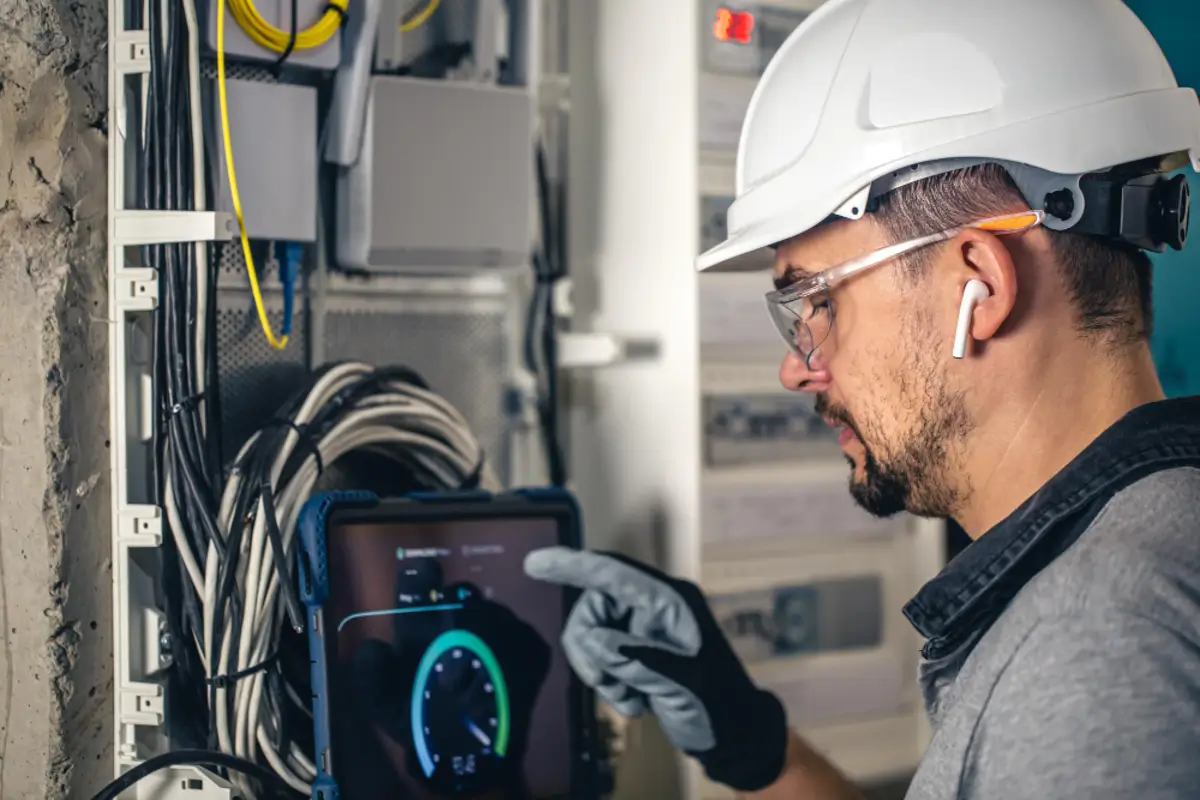
Electrical safety inspections are essential for identifying hidden problems within a home’s electrical system that you might not identify right away. This is why you need to hire inspectors who can use their expertise and specialized tools to conduct a thorough evaluation of the entire system. During the evaluation, they check behind walls, in attics, and in crawl spaces where wiring and electrical components are usually hidden. This allows them to identify issues like degraded wiring, loose connections, and faulty installations that could pose serious safety hazards. What makes their results more accurate is the use of advanced tools like thermal imaging cameras. These cameras help detect overheating components and electrical loads that are not balanced correctly.

Conclusion

By uncovering hidden problems, electrical safety inspections let you address issues before they escalate into significant hazards. This proactive approach ensures that the electrical system remains safe, reliable, and efficient. Eventually, protecting your home and your loved ones from potential electrical disasters.

Given the potential dangers of an inadequately maintained electrical system, you should especially consider scheduling an electrical safety inspection in different circumstances, like when you’re buying your home, when you are maintaining it and lastly, when you identify the potential issues we discussed above.

Ensure your home is safe and sound with Main Choice Inspections! Our comprehensive home inspection services include a thorough assessment of your electrical system, identifying potential hazards and ensuring everything is up to code. Don’t leave your family’s safety to chance—schedule your home inspection with Main Choice Inspections today and gain peace of mind knowing your home is in expert hands. Contact us now to book your appointment!

What are the biggest red flags found during a home inspection in Maine

Before you say ‘home sweet home’, make sure you’re not walking into a homeowner’s nightmare. Every creak, crack, and leak tells a story – one that could save you from a costly mistake.

Being a homeowner is exciting, but there are certain responsibilities that come with it. One of those being the responsibility of maintaining your home to its finest so that your investment lasts for years.

It’s important to be aware of red flags that can be found during home inspections. They can help you care for your property and deal with major issues.

At some point, you might think these are small issues. But, never underestimate those as they can later turn into significant problems, affecting your home’s condition and worth.

So, read on to understand the major red flags found during the home inspection.

Foundation and Drainage

Usually, homeowners think that their home’s foundation is intact. But that’s not always the case. You might not know, but a potential problem might be lurking in your foundation.

And we’re talking hundreds of dollars for dealing with major foundational issues. So it’s better to act before the issue surprises you and prevent you from getting such unwanted surprises.

A foundation envelopes your home and shields the interior. Whether your home has a loosely fixed foundation or cumulative drainage system, eventually, it will lead to a crack in the structure. Well, the issues list is extensive. It doesn’t just end at the structural cracks. A problematic foundation can also lead to structural instability and uneven floors.

All of these are significant issues that require extensive remediation. Of course, you can’t always afford that, and neither do you want to, right?

Likewise, drainage issues also raise the red flag that you can see from a distance. These can result in water intrusion, moisture damage, and mold growth. Not only does this compromise your home’s structural integrity, but it also poses significant health risks.   

Mold

Another red flag that inspectors can glare at from afar.

When there’s mold in your house, there’s also a musty odor. Not to forget the black patches and discoloration on the wall.

These are obvious signs of a mold problem in your house. But most of the homeowners, instead of attending to this issue, choose to neglect it. Until it becomes a reason for them to take Aspirin every day.

During the home inspection, inspectors identify mold growth – indicating excessive moisture levels within the property.

There could be various reasons for mold growth, ranging from leaks to water intrusion. And if you think that mold is just about musty odors and discoloration, you’re mistaken. It’s more than that. It poses health risks that are especially triggering for the ones with respiratory conditions or issues.

Furthermore, mold can compromise your home’s structural integrity by deteriorating building materials like drywall and wood. No wonder it’s a red flag.

Electrical System Problems

In the U.S., electrical fires are a major threat. Approximately 24,000 electrical fires occur every year in the country.

Considering these facts, electrical system problems are the biggest red flags in home inspections. They not only lead to electrical fires but also increase the risk of shock.

Plus, improperly installed or malfunctioning electrical components are the reason for power outages. Eventually, this affects your home’s comfort and functionality.

Inspectors pay close attention to the signs of electrical issues when conducting inspections. Examples of such signs are:

  •       Flickering lights
  •       Warm outlets
  •       Tripping circuit breakers

Don’t try to paint this red flag white by ignoring these issues. Address them promptly to ensure your property’s safety and functionality.

Old Plumbing

Maine is a place with a rich history of residential homes. Some of those dating back over 200 years. But, with this history comes a warning, too.

If you’re residing in one of such old homes, there is a high chance that the house’s major systems are old. One of the main examples is the plumbing system.

An old plumbing system involves faulty pipes that send warnings from under the floor and behind the walls. The solution isn’t simple. You can’t just “fix” the issue, as it will cost an arm and a leg.

However, sometimes, the issue persists as a blocked pipe, which seems minor at first. But it might extend to a major one another time.

The inspection process involves the inspector looking for clogs and other signs. If they find a problem within the pipe, sink, or drain, that’s not something to worry about. These issues are easier to fix. However, they might indicate a bigger problem on the go.

Pests

Maine is one of the pests’ favorite places during the summer months. However, this doesn’t mean the other months are safe. Unwanted intruders like ants, mosquitoes, ticks, wasps, etc., can still barge into your home in other seasons.

When it comes to home inspections, identifying pests is one of the major goals for home inspectors.

Even though the issue is most common in Maine, its severity varies from property to property. One home might have a few bugs, while the other has an infestation.

You can move along with DIY fixtures when there are just a few bugs. But, if your home is experiencing an infestation, it’s better to call professionals to handle the issue. We emphasize this because a pest infestation can also result in structural damage. And surely, this isn’t good news for any homeowner.

Old Roofing

Oh! How can we miss this one of the reddest red flags in home inspections?

We discussed the historical side of Maine’s residential properties. Now, there’s another concern with these properties – old roofing. And there are various reasons this should add to your concerns.

You should take this red flag VERY seriously, especially under these three conditions:

  •       If the roof is not replaced in more than 20 years
  •       If the roof looks degraded
  •       If you don’t have any record of how or when the roof was replaced

Surely, replacing a roof is expensive. But what’s worth more than the dollars is the safety of your household.

So, once the home inspector identifies issues with your roof, it’s time to pay close attention to it. This might translate to damage to your home’s interior.

Conclusion

In conclusion, there might be a long list of red flags in home inspections. But remember, it’s never too late to turn these red flags green.

Owning a property is easy. What’s difficult is taking care of it. With home inspections in place, this task becomes relatively easy. Or shall we call it responsibility?

From foundational to roofing issues, inspectors play an important role in identifying issues within your property. So, it’s better to prioritize their recommendations and address each of these issues as effectively as possible.

If you’re looking for a reputable home inspection company, you can always reach out to Main Choice Inspections. We are the ideal choice for every Maine homeowner. Schedule an inspection with us, and make your homeownership journey hassle-free.

What Do A Home Inspector Look For? Why These 5 Items Might Make or Break the Inspection in Maine?

You’ve found a home that fits your expectations of a “perfect” home. Well, congratulations on that!

But we’d ask you not to rush toward closing the deal. It’s better to first know that your house is structurally sound and all its major systems are functioning properly. Once you have closed the deal, you can’t take a step back, so it’s better not to rush already.

With a home inspection, you get your only and the best opportunity to evaluate your future home from in and out. The inspection helps in documenting the issues that are major and minor. This gives you a clear picture of what the seller is serving you. And, it’s fair to know the property’s “exact” condition as this will be the only investment you’ll be making in your entire life.

But as a homebuyer, you also need to know what goes on in a home inspection and what could be the potential deal breakers and makers during the process.

And we’re here to make it easier for you.

In this blog, we’ll discuss the five potential factors that will make your deal, as if you should rush to buy the house if they’re in perfect condition. But if not, you better rush for the hills instead.

Foundation

The foundation of the house works as its spine. It supports the entire house’s structure, drywall, frame and literally everything.

It won’t be unfair to say that the foundation condition defines your experience within your house.

Often, foundation issues are considered deal-breakers, considering the major repairs associated with high costs.

No buyer wants to buy a property that will still require modifications after an investment worth an arm and a leg.

What do home inspectors look for?

During the inspection process, inspectors usually look out for the issues like:

  • Settlement problems
  • Cracks
  • Sloping

If your house has a crawl space, inspectors will inspect it for signs of mold, moisture, and warping that might affect the wood’s integrity.

Furthermore, if the foundation has already undergone repairs, the inspector will also check the workmanship quality on that.

The biggest concern for every home inspector is water penetration because it can lead to foundation settlement, resulting in the face of termite activity, gray mold, decay, etc.

Average cost to repair

The cost of foundational repairs varies based on how severe the problem is. But, if we average the cost, it is around $4,500, but it can go up to $15,000.

Roof

This is another factor that basically “shields” you within your property. And, the roof issues have the potential to either make or breath the deal.

We bet you might already have asked about the roof’s age from the home seller. And well, it’s justified considering the role the roof plays in protecting the house from wind, outdoor temperature, and snow.

What do home inspector look for

This depends on your home inspector and weather conditions.

Many inspectors choose to visually inspect the roof and they climb up the roof. While others choose to evaluate it from a ladder. And in bad weather conditions, inspectors might use binoculars to inspect the roof and they do this from the ground.

Now, things home inspectors look for are the following:

  • Leaks
  • Damaged or missing shingles or tiles
  • Moss growth
  • Flashing
  • Gutters
  • Vents
  • Proper attic ventilation
  • Skylights

Average cost to repair

Minor roof repairs can cost between $150 and $1,500. But, there are chances that your roof might need a replacement; on average, it can cost between $6,000 and $12,000.

Plumbing

A leak is The most irritating issue in your future home.

Once left untreated, water issues within your house can have a domino effect, leading to more serious issues in your home.

And trust us, a pervasive water problem can “drain” your savings account in no time. Not only this, it can also affect the floor, subfloor, walls, and foundation. Basically, everything….

Considering the headache these problems are, they tend to be a major deal breaker.

What inspectors look for

During the inspection, the inspector will cover anything the water flow might affect – toilets, sinks, faucets, bathtubs, showers, piping, and fixtures.

Their main focus will be checking for leaks, cracked pipes, and corroding. Plus, they’ll look out for any evidence of DIY work and repairs.

They’ll cover flooring, ceilings, walls, and signs of moisture.

Average cost to repair

Plumbing issues and water damage are the most expensive and extensive repairs. If there’s water damage, then you’re looking at the costs to repair and restore, such as, mold remediation, dry out, replacement, building materials, and labor.

And, on average, it can be from $1,000 to $5,000, or maybe more. All it depends on how much damage is there.

Electrical systems

You shall buy a house that is safe for you and your family. And this is exactly what a home inspector prioritizes.

Whereas electrical issues can pose serious risks, especially if they’re ignored. They can even lead to house fires, making them dangerous and potentially life-threatening result of overlooking electrical issues.

What inspectors look for

During the inspection, the inspector evaluates the electrical panel to ensure everything is up to the code with proper grounding and wiring.

They will also look for proper amperage ratings and corroded wires. Furthermore, they’ll ensure that the receptacles and switches operate properly and the GFCI outlets are installed in most rooms. This is another level of prevention from injury and electrocution.

Average cost to repair

If you buy a home with minor electrical issues, the repair cost is typically $150 to $500.

However, the expenses can be higher for more significant problems, such as replacing a panel or rewiring the entire house, ranging from $1,200 to $2,200.

HVAC system

You want peaceful summers and warm and cozy winters in your “perfect” home, right?

You then need to know whether your home’s systems can cool, heat, and ventilate the interior efficiently and reliably.

It’s important to note that not every home inspection covers every minute detail. So, if you suspect an issue and need a close examination, then hiring an HVAC expert is better for a thorough evaluation.

Things home inspectors look for

Typically, one of the initial tasks an inspector performs during the inspection is activating the heater and air conditioner to ensure their proper functioning.

The inspector usually allows the system to run continuously throughout the inspection to assess the thermostat.

Average cost to repair

The cost of an HVAC issue varies based on the system, the problem, and whether it’s a simple repair or replacement.

Furnace repairs may vary from $130 to $1,200, and replacing a furnace can incur up to $6,000 or more.

On the other hand, air conditioner repairs typically range from $200 to $500, with a complete replacement costing between $3,250 and $12,500.

Conclusion

In conclusion, getting a home inspection is a great deal to know whether the transaction is worth it.

But once the report highlights the above mentioned things home inspectors look for, know it’s time for you to walk away. But if not, then it’s better to hop on the deal. It’s fair to say that they’re the major deal makers and deal breakers.

Furthermore, if you want to schedule a thorough and professional inspection, choosing an inspection company like Main Choice Inspections is better. The professionals on our team ensure that your potential home’s condition is best met and you’re making a wise investment.

Should I get a home inspection after purchasing the Property in Maine?

Homeowners often wonder whether getting a home inspection AFTER purchase is beneficial.

“Aren’t the inspections associated with the home buying process only?”

Yes, they’re…but experts also recommend getting a home inspection after purchase.

Why so?

Getting a home inspection, even post-purchase, can provide valuable insights into your house.

Even if the property seemed well-maintained initially, a post-purchase inspection can uncover any issues that may have arisen since the sale.

This blog will discuss the importance of getting a home inspection after purchasing the property. We will also discuss one of the homeowners’ most frequently asked questions: “Can I back out of home purchase after inspection?”

The Importance of a Post-Purchase Home Inspection

A thorough home inspection after purchase in Maine can identify potential problems that might not be obvious in pre-purchase inspections, such as:

  • Hidden structural issues
  • Plumbing issues
  • Electrical issues
  • Other necessary repairs

While there’s also a chance these issues surfaced after you bought the property.  

This is why regular inspections are important: to track the property’s condition and safety changes.

It gives you a comprehensive understanding of the property’s current state. This helps you address any early concerns to prevent them from escalating into more significant problems.

So, getting a home inspection after buying your property is a good idea (and recommended, too).

Now, to your most asked question…..

Can I Back Out of the Home Purchase After the Inspection?

This entirely depends on the conditions and terms outlined in your purchase agreement and any applicable conditions.

Mostly, a post-purchase inspection allows you to review the property’s condition more carefully. If you had waived the inspection contingency during the initial purchase…. then it’ll provide you with an opportunity to address any maintenance needs promptly, ensuring the longevity and safety of your investment.

Suppose the inspection reveals significant issues that were not initially disclosed or were unknown to you. If you are dissatisfied with the seller’s response….. or if they’re unwilling to move forward, you can use your right to back out under the inspection contingency.

So, if you want to back out of the purchase after buying the property, you must review the specific inspection contingency and your purchase agreement.

You can also communicate your concerns with your seller. This can lead to successful negotiations regarding repairs and adjustments to the purchase price.

And if you don’t reach an agreement, you can end the contract….But, remember, you have to do that during the contingency period.

It’s better (agin, recommended) that you consult with a real estate professional or legal advisor who can ensure that you acknowledge and understand your rights and obligations regarding your home purchase contract.

The Benefits of Scheduling Home Inspection After Purchase

Uncover Hidden Issues

Once you schedule a post-purchase inspection, you can discover any disclosed or hidden issues that you or your inspector missed during the initial inspection. This can include electrical issues, plumbing concerns, potential structural problems, or other maintenance issues.

Early Detection of Problems

Identifying problems early on can prevent them from escalating into more significant and costly issues. When you or the home seller (per contingency regulations) address maintenance needs, this maintains the property’s value and prevents future headaches.

Negotiation Opportunities

Depending on what you find during the post-purchase inspection, you may have an opportunity to negotiate with the seller for repairs or financial concessions. Even after the sale has closed, negotiating with the seller to address certain issues may be possible.

Peace of Mind

Once you’ve bought the property, you want to “live happily ever after” without headaches or unforeseen surprises. And a thorough inspection after the purchase can ensure this.

It’ll give you a comprehensive understanding of the property’s current condition. This knowledge can offer peace of mind and assurance that you’re aware of any potential issues and can plan accordingly.

Long-Term Investment Protection

Most homeowners buy a property as a long-term investment. And, if you’re one of such homeowners, you must ensure that your potential investment is worthwhile.

So, investing in a post-purchase inspection is an important step that you can take to protect your long-term investment. Identifying and addressing the issues early on can also contribute to the safety and longevity of your property.

What Inspector Will Look for During A Post-Purchase Inspection

During a post-purchase inspection, the inspector will thoroughly examine your property’s various aspects. They’ll identify any issues or potential problems. Following are some of the specific items:

Structural Components

The inspector will assess the condition of the foundation, walls, roof, and overall structural integrity of the property.

Electrical Systems

The electrical system, including wiring, outlets, switches, and the electrical panel, will also be examined for safety concerns.

Plumbing Systems

The inspector will check plumbing fixtures, pipes, water heaters, and other components for leaks, proper functioning, and potential plumbing issues.

HVAC Systems

The heating, ventilation, and air conditioning (HVAC) systems will be inspected to ensure they work correctly and efficiently.

Appliances

Major appliances, such as the stove, oven, dishwasher, and others, will be tested to confirm their proper operation.

Roof and Attic

The roof’s condition, including any signs of damage or leaks, will be assessed. The attic space may also be inspected for insulation and ventilation.

Exterior

The inspector will examine the property’s exterior, including siding, windows, doors, and the condition of the landscaping.

Interior Spaces

Interior spaces will be assessed for any signs of damage issues with flooring, walls, ceilings, and other components.

Safety Features

The inspector will check for the presence and functionality of safety features such as smoke detectors, carbon monoxide detectors, and handrails.

Water Damage

Signs of water damage, mold, or mildew will be inspected, especially in areas prone to moisture.

It’s important to note that the specific items covered during a post-purchase inspection may vary. And the inspection’s scope could be tailored based on your concerns or the property’s characteristics. If any issues are identified, the inspector may recommend repairs or further evaluation by specialists.

Conclusion

Getting a home inspection after purchase is a smart decision you’ll be making as a homeowner. It can offer invaluable insights into the condition of your investment.

Even if the initial purchase seemed seamless, a post-purchase inspection provides a crucial opportunity to discover any hidden issues that may have surfaced since the purchase.

These inspections ensure you comprehensively understand the property’s current state, allowing for timely repairs and safeguarding against potential future problems. For thorough and reliable post-purchase inspections in Maine, make the Main Choice Inspections – choose Main Choice Inspections to safeguard your investment and enjoy peace of mind.

Here’s why you must have regular water quality tests

Water quality testing is a crucial first step in identifying potentially dangerous substances in your water source. It will also help you understand the health problems you are facing.

So, for example, if your drinking water tastes odd. Or if you fall sick. Or if you have stomach issues out of nowhere – you must get your water tested.

In this blog, we’ll discuss what is water quality testing. We’ll also see why water quality testing is so important.

What Is Water Quality Testing

Our first agenda here is to discuss, what water quality testing is all about. In simple words, it’s a process to check for chemical, physical, and biological contaminants in the water. Basically, we see if the water is good for drinking or not.

Water quality testing checks for contaminants and pollutants in water. Water is collected from different parts of your home and then analyzed using high-end equipment.

Let’s discuss some of the most common things we look for during a water quality test.

Chemical Composition

We check your water for various chemicals like heavy metals, pesticides, fertilizers, and industrial pollutants. All of this is to ensure your water meets the safety standards and has a safe amount of these harsh chemicals.

Physical Characteristics

Physically polluted water feels different from clean water. For example, temperature, turbidity, and color are all good indicators of water quality.

Nutrient Levels

A certain amount of nutrients can help determine the water quality. Nitrogen, for example, is a nutrient that plants use. But its excessiveness can be detrimental. Other nutrients we check the concentration for are phosphorus and algal blooms.

Taste and Odor

And last but not least, taste and odor are clear indicators of water quality. We don’t taste the water, obviously. Instead, we use equipment that simulates the taste experience and see if the water is potable or not.

How to Conduct Water Quality Testing?

Define Objectives

Here, we identify the parameters for the water test. These parameters can be inspired by regulatory standards, and potential contaminants, or be specific to your requirements.

Gather Necessary Equipment

Assemble the required testing equipment. Some of the testing equipment may include:

  • Testing kits
  • Sampling containers
  • Gloves
  • Safety goggles
  • pH meters
  • Turbidity meters
  • Chemical reagents

Choose Sampling Locations

Select appropriate sampling locations that represent different points in the water distribution system. Examples are taps, wells, rivers, or other water sources.

Collect Water Samples

Use clean, sterile containers to collect water samples. Follow proper techniques to avoid introducing contaminants.

Test for Physical Parameters

Start by measuring physical parameters like temperature, turbidity, and color. This can be done by using appropriate meters or testing kits.

Assess Chemical Parameters

Secondly, test for chemical parameters such as pH, dissolved oxygen, nitrate, nitrite, phosphate, and other relevant substances. Laboratory analysis can be quite useful in this case.

Conduct Bacterial Analysis

Use appropriate methods to test for bacterial contamination. This step may involve using specialized culture plates or rapid test kits.

Evaluate Metal Content

Assess the concentration of metals (e.g., lead, arsenic, mercury) using specific testing methods or by sending samples to a certified laboratory.

Interpret Results

Compare test results with established water quality standards or guidelines. Interpret the findings to determine if the water meets regulatory requirements. You may also decide to take the needed corrective actions.

Implement Corrective Actions

If contaminants are detected at levels exceeding acceptable limits, take appropriate corrective actions. This may involve water treatment, source management, or infrastructure improvements.

Repeat Testing

Establish a regular testing schedule to monitor water quality over time. Regular testing helps ensure ongoing compliance and the effectiveness of any implemented corrective measures.

The Importance of Water Quality Testing

Health Assurance

The water quality can directly impact our health. Routine testing can help in this regard. It is a crucial step that ensures that the water being consumed is free from contamination.

Harmful contaminants such as bacteria, viruses, lead, and other pollutants can pose significant health risks if they’re present in water sources. Regular testing helps detect the presence of these contaminants. This allows for timely intervention to address potential health hazards.

By consistently monitoring the water quality, you can have confidence in the water you consume. This health assurance is particularly vital in preventing waterborne diseases. It also protects vulnerable populations such as children, older people, and individuals with compromised immune systems.

Compliance with Standards

Water quality standards and regulations are set to protect you from different threats. These standards are important to ensure water sources meet the necessary criteria. This is where regular water quality testing comes in.

This is a step that helps you comply with these standards.

By conducting regular tests, you can verify whether your water supply aligns with these established standards. This not only ensures the safety of your water. It also provides documentation of compliance, which may be required for regulatory purposes.

The confidence that comes from knowing your water meets or exceeds established standards extends beyond personal assurance. It contributes to the broader efforts of maintaining a safe and reliable water infrastructure. This will foster a sense of collective responsibility for the community’s well-being.

Prevention of Waterborne Diseases

Waterborne diseases pose a significant threat to public health. And many of them are directly linked to contaminants in water sources.

Regular water quality testing plays a crucial role in mitigating this risk. They do this by detecting the early signs of contamination. This also helps in preventing the spread of waterborne diseases.

For example, the test reveals elevated levels of coliform bacteria. Then, it may indicate fecal contamination. Investigation into the integrity of sewage systems or wells will be necessary.

Following are some of the major preventive measures you can take:

  • Implement proper water treatment methods
  • Enhance sewage infrastructure
  • Address agricultural runoff through land management practices

Adverse Health Effects Found With Water Quality Testing

Adverse health effects associated with water quality issues can arise from various contaminants. Below are some common water quality testing findings.

Bacterial Contamination

Test for water quality finds bacterial contamination. Elevated levels of bacteria, such as Escherichia coli (E. coli), in water can cause various issues. These include gastrointestinal issues, nausea, vomiting, and, in severe cases, more serious illnesses.

Viral Pathogens

Secondly, viral pathogens are also common findings of water quality testing. The presence of viruses like norovirus or rotavirus can lead to gastroenteritis and other waterborne diseases. This mainly affects the digestive system.

Stay Informed with Main Choice Inspections

In conclusion, regular water quality tests are essential to maintaining a safe and healthy environment. By consistently monitoring the quality of our water sources, we ensure that they meet established standards.

These tests serve as proactive measures. They help identify potential contaminants and allow for timely corrective actions.

Regular water quality tests are a responsible and preventive approach that safeguards human health and the environment. It is one of the ways to stay informed, stay safe, and prioritize the quality of your water.
Stay informed and ensure the safety of your property with Main Choice Inspections. Contact us

today for expert guidance and to maintain a secure and well-maintained living space.

Before You Sell: 5 Reasons to Get a Pre-Listing Inspection

Introduction 

Home selling is an exciting experience for anyone, which includes multiple tasks. From putting the property on sale to dealing with potential buyers – a seller goes through various steps. But! The most important step is often ignored, which is pre-listing inspection. Before putting your market “on sale,” make sure it’s in its best condition. Pre listing inspection helps you enhance your authority and reputation among your potential buyers. This leads to a seamless and transparent home dealing

Main Choice Inspection helps you with this! Through this blog, we will take you through the importance of pre-listing inspection and the understanding of its process. What’s more? We will review a list of pre-listing inspections’ benefits for buyers and sellers.

Understand Pre Listing Inspection Before You Sell

Before a homeowner lists their house on the real estate market, they perform a pre-listing examination, a particular kind of home inspection. It is a proactive approach to identifying any problems beforehand. When issues are detected and addressed right before selling the property, your reputation will boost as a seller. Moreover, you’ll become a trustable participant on the list. Let’s understand further what a pre-listing inspection is and explore its benefits.

Purpose

The first purpose of a pre-listing inspection is to uncover hidden defects in a property. As a seller, you will get to identify these problems before selling your house. You can face delayed or failed sales if you sell your property without a pre listing inspection. It means inspecting the property will fast-track your selling process.

Process 

Home sellers hire professional and certified inspectors to evaluate their property condition thoroughly. These inspectors assess the structural situation and functionality of your home’s elements. This assures your buyers feel confident and secure when investing in your property.

Report 

Once the inspectors complete their inspection process, they document their findings in a detailed report. This report entails any found issues or areas of concern. Not only that! The inspection report also suggests suitable solutions for the problems. Before hiring an inspector, you can check his sample reports. This will give you information about the extent of damage the inspectors cover. Moreover, this report can be a negotiation tool for all parties involved in home dealing.

The Pre Listing Home Inspection Process

Now that you understand pre-listing inspection, let us take you through the step-by-step process. If you are a property seller, you must follow these steps to get the right value for your home. A pre listing inspection will highlight and fix potential problems, improve your home’s marketability, and save you costly surprises. Here are some steps you must follow:

Research and Hire an Inspector

You should first research and identify reputable and experienced certified home inspectors in your area. You can shortlist top inspectors that suit your needs and demands. After that, you can contact them and interrogate them about their services. If you find any competent, ask about their prices and availability.

Schedule the Inspection

Once you have decided on any inspector, coordinate with them and schedule your inspection day. Make sure you choose a date and time that suits you and the inspector. 

Prepare the Property

Before conducting the actual inspection, you can prepare your place for it. This includes cleaning and decluttering your home so the inspector can access all areas. The inspector will evaluate the attic, basement, crawl spaces, and mechanical systems. Moreover, you should ensure the utilities are turned on and accessible to inspectors. 

Inspection Day

On the inspection day, the inspector will examine the property’s interior and exterior, including the roofing, plumbing, electrical systems, HVAC, and appliances. A thorough inspection can take hours but reveals the unknown facts of your property. 

Review Findings

When the inspection is complete, the home inspectors will compile their findings into a detailed report. Sellers review these reports to make any changes or repairs accordingly. You can also ask for explanations to identify issues before your buyers do.

Update Listing Information 

After that, you should update your property’s listing information to show any repairs or improvements you made based on the pre-listing inspection. This reflects your honest and transparent dealings with the buyers. It also highlights that you have addressed the found issues, and now your property is good enough to live in.

Provide the Inspection Report

You can share a copy of the inspection report with your potential buyers to win their trust and promote a transparent approach. This will give your buyers the confidence to consider buying your home.

Market and Sell

When your property is back on the list, the buyers will have access to your provided information. This includes all that you inspected, addressed, and made repairs. After that, the buyers can ask any questions so you can respond to any problems.

Benefits of a Pre-listing Home Inspection

A pre-listing home inspection benefits sellers getting their homes ready to put on the market. Let’s explore some of them here.

Transparency

When you conduct a pre-listing home inspection, it promotes transparent and honest dealing. Potential buyers will realize nothing is hidden, so both parties can negotiate to know every detail.

Accurate Pricing

With a pre-listing inspection, you can rate your home accurately. You can make necessary repairs on time when the issues are caught and addressed beforehand. This way, you can adjust your home’s price while listing it on sale. Moreover, you can prevent overpricing or underpricing of your property with a pre listing inspection.

Reduced Negotiations

If you skip the pre-listing inspection while the buyers conduct one on their own – they can demand any repairs or reduction in price. On the other hand, you can reduce this need by conducting a comprehensive pre-listing inspection on your end.

Faster Sales Process

Properties inspected by pre-listing are more appealing and likely to be bought by buyers. Wondering why? It assures the buyers that the property is well-inspected and in optimal condition and function. Eventually, the buyers feel confident buying your property, and the sales cycle and transaction become smooth and faster.

Flexibility

Addressing the repair needs and improvement on your end gives you the flexibility to negotiate on your terms. This can be more convenient and cost-effective than managing repairs during negotiation.

Conclusion

A pre listing inspection can save you from costly surprises and promotes transparency and honest dealing. It is a negotiation tool that allows you to lock the deal on your terms. Moreover, you can enjoy a competitive edge in the market. This blog gave you detailed information on pre-listing inspection from the process to benefits. 

What Inspections Are Needed When Buying a Commercial Property

A thorough commercial building inspection is important when you buy a commercial property.

This can help in safeguarding your investment and making informed decisions. Commercial property inspection covers a range of aspects that are inspected. This ranges from structural integrity to safety compliance. It also includes environmental concerns and zoning regulations.

In this blog, we will highlight some of the major inspections that your property will undergo. We will also discuss the process of commercial building inspection. Further, we will also discuss when you may conduct these inspections.

Needed Inspections for a Commercial Property

Five Major Systems Inspection

Commercial buildings typically have five major systems. These are electrical, mechanical, HVAC, structural, and plumbing.

Inspectors check the condition of each of these systems.

If a system is not up to par, the inspector will document whether there is a need for immediate repair.

They will also provide a life expectancy estimate for the eventual replacement.

This inspection will also cover fire systems, building alarms, and sprinkler systems.

While for other specialized systems, you may need specialized inspectors or contractors.

Documentation Assessment

Commercial building inspectors check several documents during the inspection.

These may include surveys, fire safety certificates, and environmental studies. Moreover, it also contains important documents like planning applications and construction documentation.

This assessment ensures that your building complies with all the building codes and regulations.

Furthermore, inspectors review repair and maintenance histories to identify any potential issues that may need attention. The inspectors also interview facilities and maintenance staff.

Reviewing these documents helps identify potential issues. Your inspector will also advise you on the next steps you must undertake for remediation.

Exterior Inspection

Exterior inspection lets the inspector observe any building structural integrity issues.

This covers inspecting the landscaping, roofing, exterior siding, gutters, and downpipes.

An exterior inspection can uncover issues that affect the property’s stability and worth. This gives them insights into the general condition of the property.

Furthermore, assessing the entire building envelope is crucial. This affects the property’s ability to endure weather extremes, energy efficiency, and occupant comfort.

Interior Inspection

Checking the interior of a property is a significant step of the inspection. In commercial inspections, there are many elements that the inspector will consider.

The inspector might look at hazards, walls, windows, kitchen facilities, and fire safety risks. They will also assess the building’s operation and aesthetic appeal. They will also cover an inspection of several components. These components may include general layout, ceiling, lighting, and flooring.

An interior inspection ensures these components are in good condition. This is because they impact the everyday operations and well-being of the occupants.

Environmental Inspection

This inspection addresses the environmental issues.

Environmental issues directly impact numerous factors. Firstly, it impacts the well-being of the building’s occupants. Secondly, it has an impact on the neighborhood. And thirdly, it affects the property’s long-term viability.

Various factors can cause environmental dangers and contamination. These factors may involve natural occurrences, improper waste disposal, chemical usage, and past or current industrial activity. It is crucial to recognize and check these problems to make wise decisions. And reduce potential dangers related to the property.

During the inspection, inspectors look for any groundwater and soil contamination. They may also look out for asbestos, issues with air quality, and lead-based paint. This inspection helps identify hidden threats that might not be immediately obvious. The inspection aims to protect both the investment and the occupants.

When to Conduct A Commercial Building Inspection?

There is no “best time” for conducting a building inspection. But, it is better to have a commercial building inspection before purchasing a property.

You can have an inspection any day, time, all year round.

These inspections are not just the beginning and end of leases or purchases. They can also help building managers maintain structural integrity and safety.

Commercial building inspections are vital for keeping the assets valuable and maintaining the excellent condition of the building. They also impact the safety and happiness of employees/occupants.

The Process of a Commercial Inspection

The inspector will highlight any issues in an inspection report during the inspection. This will include the recommended course of action and how severe the problem is.

This comprehensive inspection report will detail the inspector’s findings, provided to the parties of interest. These are usually the property owner, the buyer, and the real estate agent.

Some common issues that inspectors identify during a commercial property inspection include plumbing problems, structural damage, and electrical issues. During the inspection, the inspectors might also find pest infestations, water damage, mold, and mildew growth.

A commercial property inspection has several benefits, and identifying potential issues early on is the very first. Property inspections also allow for necessary repairs. They also allow to make upgrades before transferring or selling the property.

This can save the buyer or owner significant costs and prevent future legal or financial issues related to the property. After conducting the inspection, home inspectors document and analyze their findings and observations. They may also record the property’s condition by taking photos, samples, videos, notes, and measurements.

They will also collect and organize documents they reviewed during the inspection. Then, they’ll compare their inspection results. An inspector will also identify and quantify the property’s strengths and weaknesses.

Once everything’s done, they’ll offer reports to help make informed decisions. Quality inspectors will also give recommendations regarding the property. 

Commercial Property Inspection Is a Wise Investment Decision

A thorough essential to ensure that no items are overlooked. The inspection process involves assessing the major systems and components that are vital to the building’s performance. These systems may include HVAC, plumbing, mechanical, and electrical.

Furthermore, they will also inspect the roof surfaces, drainage, penetrations, exterior elements, and fixtures. They will also look at the crawlspace, foundation, basement, wood decks, sidewalks, and interior space elements to make the inspection more thorough.

Additionally, it is also important to review essential records and documents, such as:

  •         Property warranties (roof, mechanical, etc.)
  •         Certificates of Occupancy
  •         Utility bills
  •         Building permits
  •         Notices of code violations
  •         Repair invoices
  •         Maintenance records. 

Commercial property inspection helps buyers make informed property investments. If you are considering investing in a commercial property, don’t forget to invest in commercial inspection first.

Choose Main Choice Inspections for Peace of Mind in Every Property Investment. Our Expert Inspectors Ensure Your Safety and Investment Value. Schedule Your Inspection Today and Make Confident Real Estate Decisions with Main Choice!

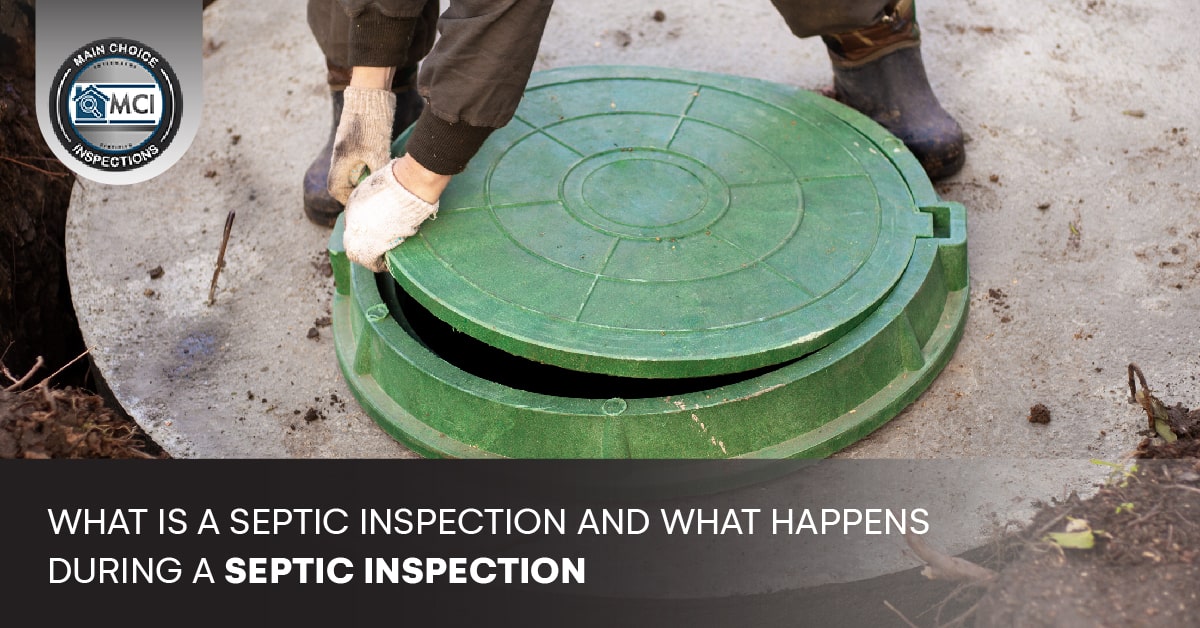
What Is a Septic Inspection and What Happens During a Septic Inspection

Introduction

A septic system must be well maintained to ensure its seamless functionality. When your home’s septic system is in top-tier condition, you will experience less disturbance and more secure living. It also enhances your property’s overall value and interior environment. Therefore, Main Choice Inspection should be your first choice when considering septic inspection services. Whether you’re a homeowner or a potential buyer, understanding what a septic inspection entails and its importance can save you from costly repairs and potential health hazards down the road.

Through this blog, we will walk you through several important factors you might have missed before. From guiding you on what a septic inspection is to discussing its key components, and benefits, this blog is your ultimate guide to septic system inspection. So let’s get into it:

What Is a Septic Inspection?

A septic inspection evaluates the condition and compliance of an on-site wastewater treatment system consisting of a septic tank and drain field. It’s used in areas without centralized sewer systems. The drain field disposes of treated household wastewater. A septic system inspection services from a professional company involves the following steps of assessment:

Visual Inspection

During the visual inspection of the septic system, the inspector examines its major components, including the septic tank, distribution box, and drain field. Moreover, they look for signs of wear, damage, or deterioration.

Tank Pumping 

In many cases, the septic tank needs to be pumped to assess its condition and allow for a thorough inspection. This goes unnoticed commonly; that’s where a professional septic system inspection comes in. During the inspection, the experts will assess what is required and detect any clogging or buildup. After that, they will also determine the level of sludge and built-up scum.

Flow Test

Once the inspector is done with visual inspection and tank pumping, it’s high time he conducts a flow test. For this purpose, he may run water through the system to observe how well it drains into the drain field. This helps identify any blockages or issues in the drainage process.

Soil Percolation Test

For the next step, the inspector might extend his service to conduct soil percolation or a “perc” test, if needed. This test determines how well the soil can absorb water from the drain field. Through this test, the inspector will also know about the suitability of the soil for wastewater disposal.

Functionality Assessment

Through a functionality assessment, the septic inspector will assess whether it’s properly functioning as it should or not. In addition, he will also look for signs of defects such as sewage backup, slow-draining fixtures, foul odors, or water pooling in the yard.

Documentation Review

After all required tests, the inspectors review any necessary maintenance, record or document their findings, and recommend any solution according to their expertise. Moreover, he can also guide you through the history of your septic system and declare whether it has been properly maintained. Read more about the 3 situations in which you must not skip inspections. 

Key Components of Septic System Inspection

A comprehensive septic system inspection involves assessing various key components to ensure the system’s proper functioning and compliance with regulations. Here are the essential components typically examined during a septic system inspection:

Septic Tank

During a septic tank inspection, the experts assess its structural integrity, which may include signs of cracks, leaks, corrosion, or any other wear and tear. Moreover, this septic inspection also checks the level of accumulated sludge and scum layers inside the tank. You can also expect an assessment of the inlet and outlet baffles for any damage or blockage during this septic system inspection.

Distribution System

When conducting the septic inspection, the experts determine the condition and proper functioning of the inside distribution box. Moreover, they ensure that the wastewater is distributed evenly to the drainfield. The inspectors will also look for any clogs or built-ups hindering the effluent flow.

Drainfield or Leach Field

Drainfield septic inspection involves everything that needs a watchful eye. The inspector determines the soil condition to determine if it is suitable for wastewater absorption or not. It also involves checking the equal distribution of effluent or wastewater to the leach field. Moreover, they also look for any pooling water or overly wet areas in the drainfield. Besides that, the inspectors also detect any foul odors, which could indicate issues with the drainfield.

Pipes and Connections

This involves inspecting pipes for leaks, damage, or clogs that might impede the flow of wastewater.

Effluent Quality

Septic system inspections also assess the clarity of the effluent leaving the septic tank; cloudy or murky effluent could indicate a problem.

Surface Inspection

The inspector checks for any visible signs of sewage backup, wastewater ponding, or wet spots around the septic system.

Pumping and Maintenance Records

The septic inspections review records of past pumping and maintenance to assess the system’s history and care.

Functional Testing

The inspector will conduct a flow test to observe how well the system handles a sudden influx of wastewater. He will also assess toilets, sinks, and drains for proper drainage and signs of backup.

What Happens During a Septic Inspection?

Do you often wonder what happens during a septic inspection? Well, to be concise, the following is the gist of what happens during a septic inspection:

Visual Inspection

The inspector will visually assess the components mentioned above to identify any visible signs of damage, deterioration, or malfunction.

Testing

Various tests may be conducted, such as dye tests to check for leaks in the system, water level measurements, and flow rate assessments.

Documentation

The inspector will document their findings and may provide you with a detailed report, including recommendations for repairs or maintenance.

Benefits of Regular Septic Inspection

Regular septic inspections offer several important benefits for homeowners and property owners who rely on septic systems for wastewater treatment. Here are some key advantages to scheduling regular septic inspections:

Early Problem Detection 

Regular inspections help identify potential issues with the septic system before they escalate into major problems. Detecting problems early can save you from costly repairs or system failures.

Efficient Water Usage 

Inspections can identify if there’s excessive water usage or leakages in your plumbing, helping you address water conservation issues and potentially lowering your water bills.

Optimal System Performance

A well-maintained septic system operates efficiently, effectively treating wastewater and preventing backups or odors that can disrupt daily life.

Avoiding Health Hazards

A malfunctioning septic system can pose health risks due to sewage backup, contamination of groundwater, and the spread of harmful pathogens. Regular inspections help mitigate these risks by ensuring proper functioning. 

Longer System Lifespan

With proper care and maintenance, a septic system can last for many years. Regular inspections help extend the system’s lifespan, delaying the need for a costly replacement.

How Often Should You Consider Septic System Inspections?

The frequency of septic inspections depends on factors such as the system’s age, size, usage, and local regulations. As a general guideline, inspections of residential properties are recommended every 3 to 5 years. However, for commercial properties, you may need annual inspections due to higher usage.

Conclusion

This blog has given you a better understanding of what is a septic inspection and its importance. It also provided you with a brief overview of what happens during a septic inspection. If you’re interested in learning more about our septic inspection services, contact Main Choice Inspection today.

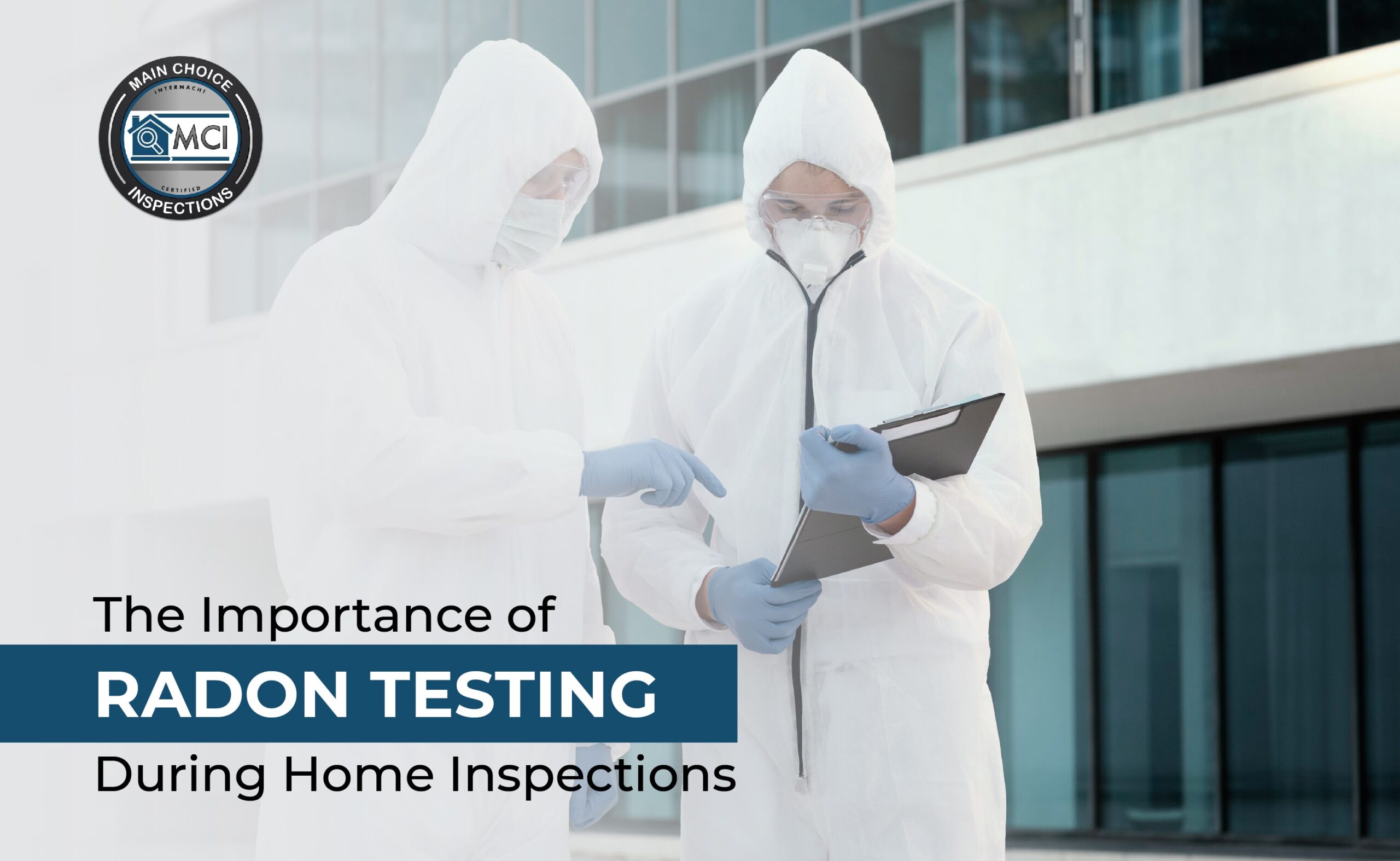
The Importance of Radon Testing During Home Inspections

Homeowners’ safety and well-being are significantly improved by radon testing. The significance of radon testing during house inspections cannot be overstated. Active radon testing enables prospective homebuyers to evaluate the presence of this invisible gas in a building, reducing health hazards and offering peace of mind. People can choose their future houses wisely and protect their families from the risks of radon exposure by emphasizing the need for radon testing in Portland Maine, during home inspections.

Health Risks Associated with Radon Exposure

Radon gas exposure carries serious health concerns that should not be disregarded. Identifying radon without proper tests is impossible because it is an odorless, colorless, and tasteless radioactive gas produced naturally. It can enter homes through cracks and gaps in the foundation, floors, and walls due to the decay of uranium, which is present in soil, rock, and water. Radon can build up within a house too unsafe levels, raising the risk of catastrophic illnesses, particularly lung cancer.

The rise in lung cancer cases is the primary health risk connected to radon exposure. Radon gas can cause radioactive particles to get trapped in the lungs and release radiation, which can harm lung tissue over time. Lung cancer risk is increased, particularly for smokers, by prolonged exposure to high radon levels. Thousands of people die yearly from radon exposure, the second-leading cause of lung cancer after smoking.

The intensity and duration of radon exposure and each person’s susceptibility are some factors that affect the likelihood of developing lung cancer. You can always expect an increased lung cancer risk with higher radon levels and longer exposure times. Moreover, some individuals may be more susceptible to the negative consequences of radon exposure, raising their risk.

It’s critical to remember that radon exposure frequently goes unnoticed, making it a silent threat. Lung cancer symptoms typically appear in advanced stages with few curative choices. This underlines the significance of proactive radon testing to identify and reduce possible threats quickly.

Beyond lung cancer, radon exposure has adverse effects. According to specific research, radon exposure may also relate to other respiratory conditions, such as chronic obstructive pulmonary disease (COPD). The potential concerns emphasize the need for thorough radon testing and mitigation, even though the evidence for these associations is still under investigation.

Regular radon testing in homes is essential, as are appropriate steps to reduce excessive radon levels to safeguard people from health concerns related to radon exposure. Since radon testing kits are readily accessible and simple, homeowners can determine radon levels independently. Additionally, expert radon testing services can offer precise and thorough assessments, assisting homeowners in deciding mitigation measures.

Installation of specialized equipment is a common step in radon mitigation techniques to lower radon levels in houses. Standard mitigation techniques include ventilation systems that circulate fresh air to reduce radon concentrations and sub-slab depressurization, which produces a vacuum under the foundation to stop radon from entering the home. These mitigation techniques can reduce radon levels and health risks efficiently.

The Importance of Radon Testing 

As uranium in soil, rock, and water decays, radon, a naturally occurring radioactive gas, is emitted. It is hard to identify this gas without conducting thorough tests because it has no taste, odour, or colour. This undetectable danger can enter homes through holes and fissures in the walls, floors and foundation, potentially building up to dangerous amounts of radon. Because of this, active radon testing is crucial. Ensuring the security and welfare of people and their families depends heavily on radon testing.

The major objective of radon testing is assessing the radon levels in a home. This is significant since prolonged exposure to high radon levels increases lung cancer risk. Radon exposure is the second-leading factor in lung cancer after smoking. Radon is also to blame for tens of thousands of lung cancer fatalities each year. Through radon testing, homeowners may determine whether their houses have high radon levels and take the required actions to lessen the risks.

Early detection of potential health issues is a critical component of radon testing. Unlike other environmental risks, radon does not cause any apparent effects or immediate symptoms. Common lung cancer symptoms include coughing, chest pain, and shortness of breath. These symptoms often appear in advanced stages, with limited treatment options. To ensure the safety of their family, people can use active radon testing to detect excessive radon levels in their homes and take appropriate action before any health issues arise.

Additionally, radon testing is essential for real estate transactions. Analyzing the radon levels as part of the home inspection in Portland, Maine, is crucial when purchasing or selling a house. Potential homebuyers can use this information to make well-informed decisions about the property. However, sellers can take proactive action to remove any radon issues, thus raising the value and marketability of their properties. All parties are kept in the loop through radon testing regarding radon levels and any necessary mitigation strategies.

Radon and its connection to lung cancer may not be well known to many people. Homeowners can inform their communities and inspire others to take initiative in evaluating and reducing radon risks by actively promoting radon testing. This group effort may result in higher safety regulations and a better comprehension of the effects of radon exposure. Additionally, radon testing contributes to a greater understanding of the significance of radon and its potential health risks.

Testing for radon is a relatively simple process. Homeowners may use easily available radon testing kits on their own. These kits typically require installing a device in the house for a predetermined amount of time, after which it gathers information on radon levels. As an alternative, people might choose to use expert radon testing services. These experts have the knowledge and tools to measure radon levels in houses accurately.

When finding a reliable home inspector in Portland, Maine, Main Choice Inspection is your go-to choice. With our expert services and attention to detail, we provide comprehensive inspections that give you the peace of mind you deserve. Our experienced professionals are dedicated to delivering thorough assessments of your property, ensuring that every nook and cranny undergoes a thorough inspection—Trust Main Choice Inspection to uncover hidden issues and provide a comprehensive report. Contact us today and experience the difference firsthand! Don’t settle for anything less regarding your home inspection needs.

Unlocking Property Potential: The Role of Home Inspections in Real Estate

One should never disregard that the home inspection in Gray, ME, is essential when navigating the complex real estate market. A home inspection offers potential buyers priceless information about a property’s structural integrity, safety features, and general quality by critically evaluating the property’s condition. This procedure entails a thorough evaluation by a licensed expert who meticulously examines various building components, from the foundation to the roof, the plumbing to the electrical systems, and everything in between. The significance of a thorough and accurate home inspection in real estate transactions cannot be emphasized, given its crucial role in protecting the interests of buyers and sellers alike.

Assessing Structural Integrity: Foundation and Framing Inspections

A thorough home inspection includes evaluating the structural soundness of a building through foundation and framing inspections. These inspections are essential for assessing a home’s general stability and safety. A professional in-home inspection will carefully inspect the foundation and framing components to find potential problems or flaws affecting the building’s structural stability.

The home inspector will meticulously inspect the foundation walls, footings, and slab during the foundation inspection for any indications of cracks, shifting, or settling. They will also evaluate the drainage systems near the foundation. They ensure proper water management and avoid moisture-related issues. A home inspection can assist prospective buyers in making informed decisions and save expensive repairs or structural difficulties by spotting foundation problems early on.

On the other hand, a framing inspection concentrates on examining the property’s structure, including the load-bearing walls, floor joists, roof trusses, and beams. The home inspector will evaluate the framing materials, connections, and overall building quality to ensure they adhere to the relevant standards. Additionally, they’ll look for any indications of sagging, excessive movement, or improper installation that can jeopardize the stability and safety of the house.

Home inspectors offer important insights into the property’s structural integrity by conducting extensive foundation and frame inspections. They assist buyers in recognizing any potential problems or places that need care, as well as the existing state of the foundation and frame components. These inspections also allow sellers to deal with any problems before they become serious, improving the marketability and worth of their property.

Uncovering Hidden Issues: Plumbing and Electrical Inspections

Plumbing and electrical systems are two crucial components of a home that require a comprehensive evaluation. The overall inspection process must include plumbing and electrical inspections to find any potential hidden problems with a property. Home inspectors can offer priceless insights into these systems’ performance, safety, and condition by probing their intricate workings.

The plumbing system will be extensively inspected by the home inspector during the plumbing inspection, including supply lines, drainage pipes, fixtures, and water heaters. They will look for leaks, problems with the water pressure, improper installations, and corrosion indicators. The inspection helps buyers determine the scope of required repairs or upgrades by pointing out potential plumbing issues, such as concealed leaks or out-of-date plumbing components. Additionally, it allows sellers to take care of any problems before the property is listed, resulting in a transaction that goes more smoothly.

Similarly, an electrical inspection aims to assess the safety and adherence to building codes of the electrical system. The home inspector will examine the electrical panel, wiring, outlets, switches, and grounding systems. They will look for obsolete electrical panels, poor wiring, overloaded circuits, and potential fire hazards. The inspection assists buyers in making decisions about the safety of the home and potential future expenses by revealing hidden electrical problems. Additionally, it enables sellers to address any electrical issues and showcase the home in its finest condition.

Plumbing and electrical inspections are essential for spotting hidden problems since they assure a home’s overall functionality, safety, and value. These inspections reveal potential issues that may not be readily apparent to the untrained eye. By addressing these problems up front, sellers can prevent surprises during the sale process and possibly boost the property’s market appeal. At the same time, buyers may negotiate repairs or pay for essential upgrades.

Investigating the HVAC System: Heating and Cooling Inspections

A thorough home inspection must examine the HVAC (Heating, Ventilation, and Air Conditioning) system. A detailed analysis of the heating and cooling systems reveals important details about their operation, effectiveness, and potential problems. The HVAC system plays a big part, and a home inspection may help guarantee that it is functioning correctly to keep the residents comfortable inside.

The HVAC system is examined as part of a home inspection to determine its performance, safety, and general condition. The inspector will check the furnace, boiler, or any other heating system for wear and tear, leaks, or inappropriate operation. To ensure appropriate functioning and cooling, they will also inspect the cooling system, including the air conditioning unit and its components.

The home inspector will also examine the distribution system, which consists of ductwork, vents, and registers. They will examine the ducts’ condition for leaks, obstructions, or insufficient insulation that can reduce the system’s effectiveness. A comfortable and healthy interior atmosphere depends on proper airflow, and a house inspection can help find any problems that can get in the way of that.

The HVAC controls, such as switches and thermostats, will also be examined by the home inspector to make sure they are operating properly and effectively regulating the temperature. During the inspection, an inspector will evaluate the safety equipment, like carbon monoxide detectors and venting systems, to guard against potential health risks.

During a home inspection, the HVAC system is examined to give prospective buyers a clear picture of the system’s condition and any potential maintenance or repair requirements. Thanks to this information, they can budget for any essential changes and make informed decisions. Instead, sellers can take care of any HVAC issues before marketing the house, making it more appealing to potential buyers and possibly raising its value.

In conclusion, home inspections in Gray, Maine, are crucial to realizing a property’s total potential in the real estate market. These thorough evaluations offer priceless information about a home’s functionality, safety, and condition, empowering buyers and sellers to make informed decisions. Home inspections thoroughly analyze a property’s advantages and disadvantages by examining the HVAC system, plumbing, electrical, and structural integrity, as well as finding any unreported problems. Home inspections reduce the risks connected with real estate transactions and guarantee the long-term satisfaction of all parties involved by identifying potential problems, essential repairs, and potential risks. 

Home inspections in real estate cannot be emphasized since they lay the groundwork for confident and knowledgeable choices that result in smooth transactions and the realization of each property’s full potential. A thorough home inspection is crucial in today’s dynamic real estate market, whether buying or selling a house, in revealing a property’s total value and possibilities.

Experience top-notch home inspection services and reliable radon testing in Gray, Maine, with Main Choice Inspections. Schedule your inspection today to comprehensively assess your property’s condition and ensure a safe living environment for you and your family—Trust Main Choice Inspections for expert guidance in making informed real estate decisions. Contact us now to unlock peace of mind and protect your investment!