Common (but Fixable) Things That Fail a Home Inspection

A home inspection is just like putting a home under a magnifying glass and analyzing everything in the building. A home that looks perfect can have hidden problems that can fail an inspection. Things that fail a home inspection process might not be so catastrophic, but are fixable. 

Why Does Home Inspection Matters?

A home inspection isn’t just a formality; it’s a comprehensive evaluation of the condition of a home. The licensed inspector checks everything from the roof to the foundation to detect the presence of any issues that might impact the safety, function, or value of the home.

For buyers, a home inspection is peace of mind, and for sellers, it is an opportunity to resolve the red flags before they derail the sale. In short, a home inspection is a roadmap for proper maintenance and the things that fail a home inspection are routine fixes. 

What are the Things That Can Fail a Home Inspection?

Let’s have a look at the problematic things found in a home inspection process that can cause its failure:

  • Electrical Problems

Electrical issues are among the most common things that lead to a failed home inspection. The older homes don’t meet the modern codes, and even the newer homes can have some issues with wiring.  Any missing GFCI outlets, damaged electrical panels, or double-tapped breakers can raise serious questions about the electrical system of a home.

Meanwhile, these issues can be repaired, and the home can be made safe, which can raise the value of the property.

  • Condition of the Roof

No one wants to hear that the roof of their home is in bad condition. However, an old roof and exposure to the extreme weather conditions can cause damage. The issues with the roof can be:

  • 1. Missing, curling, or cracked shingles
  • 2. Soft spots or sagging areas
  • 3. Improper flashing around chimneys or vents
  • 4. Leakage in the attic

All these issues can be fixed by replacing a few shingles or sealing the flashing. If the roof is older, its partial or full replacement can also help to have a perfect inspection report.

  • Plumbing Problems

Plumbing leaks, poor water pressure, or outdated piping can raise red flags about a home’s condition. Plumbing issues not resolved in a timely manner can create major problems in the home. Home inspectors can’t ignore the following problems with the plumbing system:

  • 1. Leaky faucets or fixtures
  • 2. Clogged or slow drains
  • 3. Corroded pipes
  • 4. Improper installation of the water heater

The fixes for the plumbing issues are straightforward. Replacing old pipes and repairing leaky connections can make it all manageable.

  • HVAC System Issues

The heating and cooling systems in a home are linked to the comfort of the residents. The failure in these systems can cause a failure of the home inspection. The most common issues with the HVAC systems are:

  • 1. Dirty or clogged filters
  • 2. Inadequate airflow
  • 3. Systems that are past their prime
  • 4. Improper installation

Regular maintenance can keep the HVAC system functioning properly; however, after detection of a problem, replacement of the filters, repairing ducts, or changing a thermostat can be helpful to fix such issues. 

  • Foundation Cracks

Every homebuyer pays attention to the foundation of a home. Any issues found here sound scary. Problems in the foundation can affect the whole structure of a home. During inspection, the inspectors look for:

  • 1. Vertical or horizontal cracks
  • 2. Sign of shifting or settling
  • 3. Sloping floors or sticking doors

 The cosmetic cracks in the foundation are fixed very easily. But, the serious issues and bigger cracks may need repairing by involving a structural engineer to get fixed. 

  • Poor Drainage or Grading

Water is an essential for homes. If it is not drained properly, it causes serious damages and affects the structural integrity of a home. There can be the following signs related to a drainage system that has failed your home inspection:

  • 1. Standing water near the foundation
  • 2. Soggy landscaping or mulch
  • 3. Downspouts discharging near the building
  • 4. Soil sloping towards the home

Grading can be corrected to reslope the soil, and downspouts can also be extended. All these issues can be dealt with as the sump pumps can help to improve the drainage system.

  • Mold and Moisture

Moisture can trigger big problems in a home. In the poorly ventilated areas, the presence of mold is expected, which makes the place unhealthy and unsafe to live in. Getting a mold inspection and eradicating it can help make the place safe. Meanwhile, improving ventilation can help to control the moisture content, and the home can pass the inspection.

  • Insulation Issues

Insulation issues are most likely to be found in the attic of homes, which is the most ignored part by homeowners. Issues there can lead to:

  • 1. Reduction in energy efficiency 
  • 2. Compromised temperatures
  • 3. Heavy utility bills

Such defects can be fixed by sealing the gaps. Commonly, for such issues, no major renovations are needed.

  • Pest or Termite Damage

Termites and other pests can do serious damage to a home. If the home inspectors find any trace of such pests, they’ll flag it fast. The signs they’ll look for are:

  • 1. Wood that sounds hollow
  • 2. Mud tubes
  • 3. Chewed wiring or insulation
  • 4. Damaged wooden beams 

A professional pest control service can help deal with the pest infestation. If there has been a pest inspection at an earlier stage, then it is easier to eradicate them and repair the defects.

  • Safety Hazards

People are more concerned about the safety hazards in a building. Even minor safety hazards can fail a home inspection. These issues can be inexpensive, but they raise concerns about liability. Common safety hazards are:

  • 1. Missing handrails on stairs
  • 2. Non-functional smoke detectors
  • 3. Loose floorboards
  • 4. Uneven walkways
  • 5. Problematic electrical system

Most of the safety hazards are easier to deal with. Keeping them to the lowest possible levels indicates that the homeowner has taken care of the building. It makes a big difference while selling a home.

What Will Fail a Home Insurance Inspection?

In case you are trying to get your home insured, you must know that home insurance inspections have their own standards. They can be similar to the buyer’s inspection. The things that can fail a home insurance inspection are:

  • 1. Outdated electrical panels
  • 2. Damaged roof or missing shingles
  • 3. Outdated plumbing system
  • 4. Unstable porches or steps
  • 5. Trees are too close to the home
  • 6. Lack of smoke detectors
  • 7. Poor structural integrity of the home
  • 8. Inefficient mechanical systems

Final Thoughts

A home inspection is not about pointing fingers at the issues, but about uncovering the problems that can be fixed. It is true that most of the problems that can fail a home inspection are totally fixable. So if you want to keep your biggest investment in the best shape, you can schedule a home inspection to know the required repair work. This way, you can make your home perfect and insured as well.

Specialized Home Inspections: Why They’re Essential in Maine

All homeowners want a cozy and comfortable place to live with all the amenities they can afford. To know a property from the inside and out, you need specialized home inspections. 

While a standard home inspection can give you a general idea of the property’s condition, specialized home inspections take it a step further, providing a detailed and focused analysis of specific areas that might need extra attention. 

Specialized property inspections have become standard in Maine because weather patterns and property types in this region require increased attention.

In this blog, we’ll explore why specialized home inspections are so important in Maine and how they can protect your investment and peace of mind. 

What Is A Specialized Home Inspection

A specialized home inspection is an in-depth evaluation focusing on particular aspects of a property that may not be thoroughly covered in a general inspection. 

Maine properties face extreme weather conditions because they experience heavy winter snowstorms and powerful coastal winds. The harsh climate in Maine exposes house components, including roofs, insulation, and heating systems, to increased vulnerability. 

A professional examination of a home’s vital areas requires specialized experts with the capability to identify problems that regular inspections sometimes overlook.

Why Are Specialized Home Inspections Important In Maine

Maine’s environment and unique climate make it an ideal location for specialized home inspections. The area experiences extreme weather in winter and summer. Here’s what is covered in Maine’s specialized home inspections. 

Harsh Winters And Roof Inspections

The northern state of Maine experiences long winters with heavy snowfalls that cause countless homes to accumulate ice during winter. Intense seasonal conditions generate strong pressure that affects roofs, gutters, and attic insulation systems.

A specialized home inspection of your roof can reveal potential ice damming issues, hidden leaks, or even structural damage caused by the weight of accumulated snow. Without early detection, these problems may cause expensive maintenance and substantial property destruction.

Coastal Properties And Saltwater Exposure

Numerous Mainers live in proximity to the ocean. Living near the ocean brings special maintenance concerns because saltwater corrosion attacks properties from the outside to the inside and damages every part of the house structure. 

Specialized home inspections along coastal areas permit a thorough evaluation of materials that experience saltwater exposure risks. 

Property owners save money on unforeseen repairs while maintaining home safety by doing this inspection.

Radon Testing

Radon gas enters homes through cracks in foundations. Radon Testing is needed to verify the existence of this odorless, colorless, and tasteless gas. Research data shows that the northwest region of Maine, along with other areas, consistently shows high radon levels. 

A specialized home inspection that includes radon testing is essential for ensuring the safety of your home and family. 

Exposure to enhanced radon levels will eventually result in serious health complications, including lung cancer.

Termite And Pest Inspections

Maine’s forests and rural areas create ideal conditions for termite infestations, ant populations, alongside various other insect species. Termite colonies create major wood destruction if homeowners fail to identify them. 

A specialized home inspection, including pest assessment, provides homeowners with assurance that their property does not face any risks from destructive pest infestations that could harm their framework.

Septic Systems In Rural Areas

Septic systems operate as the main waste management system in Maine’s rural areas. They demand regular maintenance with occasional inspections to guarantee their proper operation.

A specialized septic system test will help detect blockages, leaks, and tank overload problems.

Homeowners who identify these problems ahead of time prevent themselves from paying expensive repair costs.

Well Inspection

A well evaluation verifies the safety and purity of domestic water extracted from well sources. The inspection process evaluates water quality, tests well pumps, and completes system functionality inspections. 

Maine’s rural population, which depends on private wells, needs proper inspection to guarantee that their water supply is free of contaminants and safe to drink.

Pool/Spa Inspection

Once you maintain a pool or spa on your property, it should be covered in a specialized home inspection. 

The inspector checks the pool’s design, plumbing, and filtration components alongside safety elements. A comprehensive check on pools and spas will keep them functional and protect inhabitants from dangerous breakdowns and accidents.

Chimney Inspection

Most families in Maine choose to heat their houses with wood-burning fireplaces or stoves during winter. A chimney system must be inspected to establish blocked passages, dangerous accumulations of creosote, or structural weaknesses.

Sewer Inspection

Sewer inspections are necessary for houses running on municipal sewers and those using personal septic systems. 

Delivery cameras enable inspectors to identify sewer line blockages, leaks, and damage, which might trigger backups and expensive maintenance. 

Regular inspection is necessary for the operational efficiency of the sewage system.

Lead And Asbestos Inspections

Any construction project built before 1980 might need specialized inspection for homes because the insulation, flooring, and pipes could have lead paint and asbestos. These two substances carry serious health threats, particularly to pregnant women and young children. 

A specialized home inspection for lead and asbestos will test for these hazardous materials and help ensure that any necessary remediation is handled safely.

Conclusion: Why Choose A Specialized Home Inspection In Maine

In Maine, with its unique climate and environmental factors, a specialized home inspection is essential to ensure your home is safe, sound, and free from hidden issues. 

Specialized inspections provide homeowners with detailed spotlights on particular areas that require additional examination, regardless of the house’s location.

The investment in specialized home inspection guarantees present and future savings for protecting your house from unexpected expenses. 

Your main purpose should be to defend your investment while peacefully living in your home without encountering unforeseen problems.

At Main Choice Inspections, we specialize in thorough, professional, specialized home inspections tailored to Maine’s unique properties. We provide complete home inspection services that will keep your property in peak condition. 

Call us now to arrange an inspection and get the assurance you need. 

Signs of Septic System Failure: What Home Inspectors Should Look For

Multiple elements require scrutiny when buying a house, starting from the rooftop and going down to its foundation. However, people frequently miss the most important consideration, which is the septic system. The septic system typically operates so well that homeowners neglect to think about it, especially when no apparent issues are present. However, it is not always perfect, and any failure in these systems can produce major complications. 

An inspector trained in septic system examination can identify signs of septic system failure even when there are no obvious issues. So, what does a home inspector check in a septic system? Let’s find out about it in detail in this blog. 

Understanding Septic System Failure

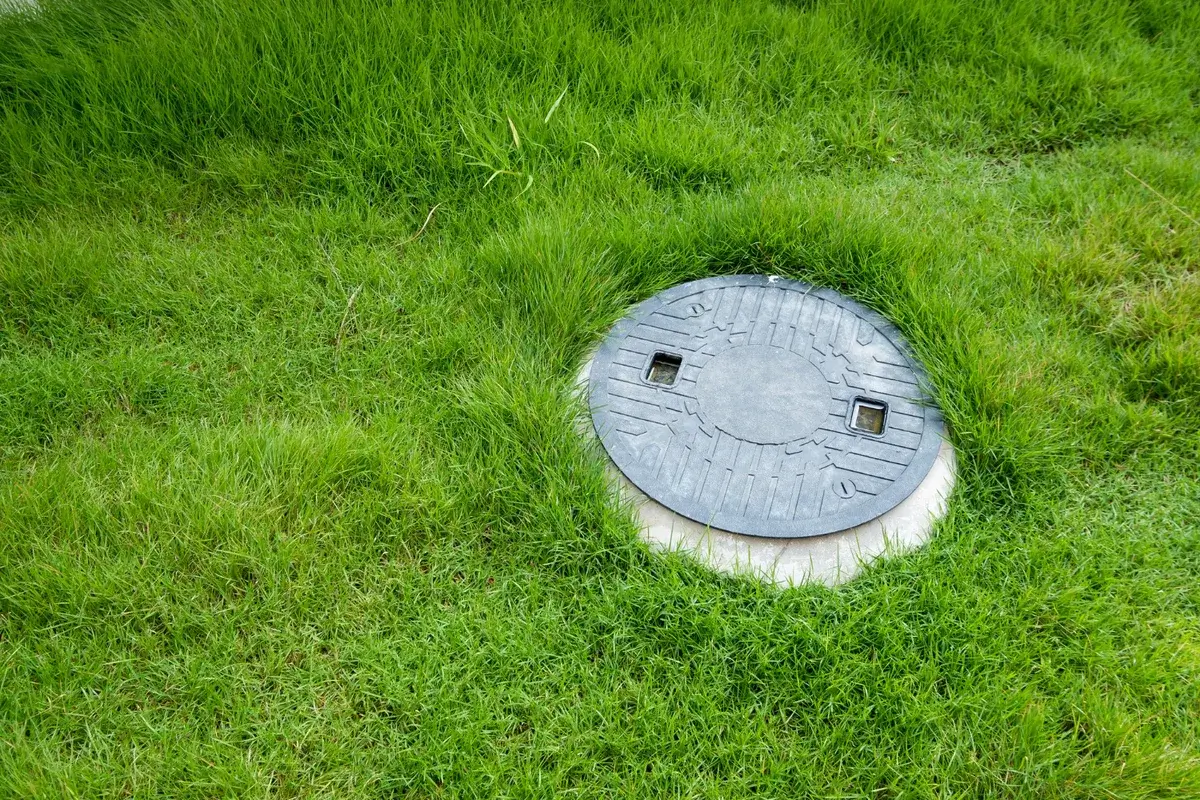
A septic system is responsible for treating and disposing wastewater from your home. The complete septic system consists of a tank combined with pipes and a drain field. The continuous operation of the system causes wear, which eventually results in system breakdown. The failure of a septic system allows untreated waste to spread inside the home and into the environment, creating health risks and expensive repairs.

Common Signs Of Septic System Failure

Some signs should warn you that a septic system failure may be imminent.

Slow Drains And Toilet Backups

The absolute sign that your septic system requires attention is the decreased flow in your drains. Slow water drains in sinks, showers, and bathtubs may signal a full or clogged septic tank condition. A major indication that the septic system has problems is when sewage appears from the toilet bowl, or you find yourself dealing with toilet backups.

These issues indicate that waste and water in the septic tank are improperly processed. The waste backs up into the home instead of flowing through the pipes and into the drain field.

Unpleasant Odors Around The Property

A putrid smell emanating from your property is one indicator that your septic system requires inspection. A sewage-like smell near the septic tank or drain field means that waste is not properly processed and is potentially leaking into the environment. The situation demands quick intervention because it seriously affects the septic system.

Standing Water

A failing septic system can cause wastewater to surface. It leads to standing water pools and exceptionally dense green grass near or around septic systems. The moist soil becomes muddy, and the lush grass indicates soil fertilization caused by untreated waste.

Home inspectors must monitor these signs of septic system failure because they demonstrate drainage failure in the septic system and leakage of wastewater.

Gurgling Sounds In Plumbing

Gurgling sounds while flushing the toilet, using sinks, or taking showers suggest trapped air inside the pipes. A wastewater tank brimming at full capacity or pipe obstructions between the tank and drain field can cause these sounds. While they do not indicate an impending failure of the septic system, they indicate trouble is brewing underneath. 

Drains Backing Up In Multiple Areas

Get professional help right away if your kitchen sink, toilet, and bathtub drains simultaneously experience clogs. Such evidence suggests the problem may be pervasive and not restricted to one or two pipe blockages. It asks for an assessment of the entire septic system. This type of backup can be particularly problematic because it can create a mess in multiple rooms of the house.

Septic Tank Maintenance History

When conducting inspections, home inspectors must review records that demonstrate the maintenance history of septic systems. Without regular maintenance or pumping, the septic tank has a heightened chance of failure. A septic tank not pumped every 3–5 years is more likely to develop problems, such as clogging or overflow.

Homeowners should show the inspector their septic tank’s maintenance records since this information helps identify system problems.

The Importance Of Septic System Failure Detection

The early discovery of septic system failure allows homeowners to avoid extensive expenses and related problems. When homeowners ignore the problem, the cost of repairing or replacing a septic system can reach thousands of dollars. Unattended wastewater pollution develops into environmental hazards that threaten residents and members of the surrounding community.

Inspection at the right time allows you to check if your system functions correctly while protecting your home and the wellness of your household members.

What Home Inspectors Should Do

When inspecting a septic system, one needs specialized and expert knowledge. The following checklist represents vital aspects a home inspector must not forget in an examination:

  • The inspector should inspect tanks for signs of wear and examine them for any existing cracks.
  • Any smell near the tank or drain field indicates that the system might be experiencing failure.
  • A home inspector must test water drainage speed and backup within the home through water tests. 
  • Water pooling should also be checked in the septic tank and drain fields.
  • The inspection requires verification of maintenance records to ensure the system’s proper functioning.
  • Check for general system conditions to detect signs that suggest the system is nearing failure.

Conclusion

Home inspectors need to recognize signs of septic system failure since it protects homeowners’ health and safety. Septic system issues remain invisible. Still, experienced inspectors who examine signs such as slow draining pipes, bad odor, and water accumulation will discover potential system breakdowns before severe complications occur.

You can prevent the homeowner from overspending on repairs while eliminating health-related challenges and emotional stress because of septic system failure.

Main Choice Inspections provides comprehensive professional services for septic system inspections to assist customers. Our qualified inspectors possess all the necessary skills to recognize the signs of a failing septic system. Make an appointment right now because putting off an examination means putting your house’s health and safety at risk. Call us now to get things started.

The Importance Of Home Inspections In The Winter Season

Winter can be tough on homes. Many things can stress your home, from freezing temperatures to snow storms and beyond. That’s why scheduling a winter home inspection is a smart decision if you want to avoid unexpected issues down the line. But, then, why is a winter home inspection so important? In this blog, we will look at the benefits and importance of getting your home inspected in the colder months and how it can save you from expensive fixes.

What Is A Winter Home Inspection?

A winter home inspection thoroughly checks your home’s systems, structures, and overall condition during the colder months. In contrast to regular inspections, issues related to this time of year will be addressed during winter inspections, including heating system performance, ice dam probability, and insulation effectiveness.

Why You Should Get A Home Inspection In Winter

Getting home inspections done during spring and fall might seem necessary, but winter home inspections have great benefits. Here are some of the main reasons:

Identifying Heating System Problems

One of the most important aspects of a winter home inspection is checking the heating system. In winter, your heating system is working overtime, and any problems may only become apparent once it’s too late. A home inspector will go through the furnace, boiler, and ductwork and verify that they are acting alright. Catch a problem early before you’re stuck in the cold with an expensive repair.

Checking For Insulations & Air Leaks

In winter, a home inspection will test its insulation. Proper insulation is important so that your home remains warm and you save on your energy bills. Your inspector will check the attic, basement, and exterior walls for any gaps.

Preventing Ice Dams

A common problem in winter is ice dams. Warm air from the house melts the snow on the roof and refreezes the eaves like an ice dam. This, over time, can lead to leaks and water damage within your home. A winter home inspection can help identify areas at risk of forming ice dams and advise you on how to prevent them. That could keep you away from costly water damage repairs in the future. 

Checking Roof Condition

Your roof endures a lot in the winter months: snow, ice, and freezing temperatures. If you ever had a home inspection in the winter, you’ll remember that one of the points included is a close inspection of your roof, looking for damaged shingles, loose shingles, or potential problems that might worsen if you get a lot of snow and ice accumulations.

Evaluating Windows And Doors

During a winter home inspection, the inspector will also evaluate your windows and doors for drafts and air leaks. Cold air seeping in can force your heating system to work harder, raising your energy bills. Because you can recognize these problems in the winter, you can take immediate action to ensure your home stays warm and efficient.

What Does A Winter Home Inspection Cover?

A winter home inspection typically includes the following key areas:

  • Heating System: Make sure your furnace, heat pump, or boiler are working properly.
  • Insulation And Ventilation: Verifying there are no insulation gaps or ventilation issues. 
  • Roof: Inspecting for ice dams, snow build-up, and anything else that may have been damaged.
  • Plumbing: Checking for any frozen or leaking pipes, especially in unheated areas.
  • Windows And Doors: Look for drafts and ensure they are sealed tight.
  • Exterior: Checking to see if gutters, downspouts, and siding have been damaged or show signs of wear.

Benefits of A Winter Home Inspection

Here are a few reasons why scheduling a winter home inspection is a great idea:

Avoiding Emergency Repairs

Some problems can be more expensive to repair if you attend to them in the spring or summer because of the weather. For example, water damage could occur from roofing problems if they’re not dealt with right away. A winter home inspection helps you stay ahead of any problems that could become urgent.

Save On Energy Costs

As the colder months put more strain on the heating system, you need to find energy inefficiency earlier because it will save money. Water leaks are not the only things that can drive up your energy bills; so can drafty windows, poor insulation, and an old heating system. It is possible to save money and improve efficiency with a home inspection.

Peace Of Mind

Having your home inspected during the winter means you do not have to wonder about its safety and condition. This means you can deal with any problems that are likely to arise before they create serious trouble or disruption.

Key Takeaways

  • A winter home inspection can save you money by identifying problems early.
  • It helps ensure that your heating system, insulation, and roof are tip-top.
  • An inspector can tell you what needs to be repaired in the near future. 
  • Energy efficiency and lower heating bills can be achieved through winter inspections.

Conclusion: Get Your Winter Home Inspection Now!

Don’t wait for the temperature to rise to deal with the issues in your home. A winter home inspection is an investment that can save you time, money, and headaches in the long run. Taking care of potential problems now means that your home remains safe and efficient throughout the cold months.

At Main Choice Inspections, we specialize in comprehensive winter home inspections that give you the insight you need to protect your property. Our knowledgeable inspectors will inspect your home in-depth and give you a complete report on its condition. Isn’t it time to schedule your home inspection with us in the winter? Yes, it is. 

If you’d like your home to be winter-ready, book your appointment and call us now.

Common Home Inspection Problems In Older Homes In Maine

Purchasing an older home, a vintage piece of architecture, is a dream come true for many, especially if it is in the picturesque state of Maine. But there are a few things you must consider before sealing the deal. A vital activity that is highly recommended when buying a home, especially one that is relatively older, is a home inspection.

This blog will explore the common home inspection problems you’ll likely encounter when buying an older home in Maine. Knowing what to expect will help you avoid making a bad decision and settle for the best. 

Here are some of the most common problems that may arise when a home inspection is performed in Maine’s old houses.

Foundation Issues

One of the common home inspection problems in older homes is foundation issues. Maine’s freeze-thaw cycles can put pressure on the ground beneath the home and the structure at large. In the long run, this can lead to cracks, wall settling, or even bowing in the foundation walls.

What to Look For

  • Cracks In Walls Or Floors: Check for easily seen splits around doors and windows.
  • Uneven Floors: If the floor has an uneven feel, this might be due to some underpinning problems.
  • Water In The Basement: Thanks to the intense snow and rain in Maine, standing water in the basements is not uncommon in older houses in Maine.

Why It’s A Big Deal

If the foundation problems are left untreated, the outcome will be severe harm to your building and expensive repair services. Some of these issues are best solved as early as possible to prevent additional harm to a home’s structure.

Electrical System Problems

For most homes built before 1960, the electrical system may require a replacement now.  These systems may have been fine when set up but are, most likely, not functioning to a modern standard today. Old wires are considered a safety threat, and old houses may lack enough plugs or circuit breakers to cater to the present-day heavy electrical use.

What To Look For

  • Fuses Instead Of Circuit Breakers: Fuses are considered an indication of a dated electrical system.
  • Exposed Wires: Exposed or bare wires are a hazard.
  • Lack Of Grounding: Older houses may not have grounded outlets, but they are important for electrical safety.

Why It’s A Big Deal

Electrical problems are a safety risk. Engage a qualified electrician to assess the system and make changes for maximum safety.

Plumbing Issues

Plumbing problems are often observed in older homes, as the pipes may have been installed long ago. Many older homes in Maine use the original plumbing system made with galvanized steel, lead, and cast iron. These materials can degrade, leak, or pollute water sources, so they must be checked and changed.

What To Look For

  • Low Water Pressure: This may mean that there have been debris concentrations in the old pipes.
  • Discolored Water: If the water is brown or rusty, it is a sure sign that the pipes are rusty.
  • Leaky Pipes: Look for signs of water leakage beneath a sink or in the basement.

Why It’s A Big Deal

Certain problems with pipes can include burst pipes leading to water damage, the appearance of mold, and high water bills. Old plumbing can cost a lot of money to replace, which should be pointed out during the home inspection.

Roof And Attic Problems

Many of the older homes in Maine are likely to have roofs that have experienced some of the harshest weather. This may include hail, snow, and frozen conditions. In winter, ice buildups cause water to back up under shingles, resulting in leaked and damaged attic areas.

What to Look For

  • Missing Or Damaged Shingles: Search for those spots on the roof where the shingles are faded or missing.
  • Sagging Roof: A low roof that looks sagging might indicate structural problems.
  • Moisture Or Stains In The Attic: The attic should be scrutinized to check for signs of moisture, which may result from roof leaks.

Why It’s A Big Deal

A damaged roof will cost a lot of money to fix. It is important to get any problem related to your roof fixed before it gets out of hand.

Insulation And Ventilation

Many older Maine houses were constructed before modern insulation codes. Insufficient insulation causes heat transfer during the colder season and may result in residents’ discomfort. Also, the circulation of air in and around a house can facilitate mold in areas with humidity, such as the basement and an attic.

What To Look For

  • Cold Drafts: If you experience cold air around the window and door, the home may have little insulation.
  • Moisture Buildup In The Attic Or Basement: This could mean the house is poorly ventilated and could lead to mold.
  • Old, Inefficient Windows: Single-pane windows are common in old homes and are not very efficient at insulating spaces.

Why It’s A Big Deal

Insufficient insulation and ventilation will lead to high heating bills. Humidity leads to mold, which is harmful to humans.

Pest Problems

Older Maine homes are more vulnerable to pest issues. The weather conditions and forests in Maine are favorable to pests. Rodents, termites, and all manner of insects can weaken a home’s structural integrity. 

What To Look For

  • Signs of Rodent Activity: Feces, tracks, or signs of burrows in crawl spaces, beneath floorboards, or in garages.
  • Wood Damage: Openings in the framework of walls and round or oval holes in woodwork may suggest a termite attack.
  • Visible Insects: The presence of ants or other insects seen within homes means pest issues.

Why It’s A Big Deal

Pests can damage some structural parts and make the home less safe for habitation. Termites damaging wooden support or rats or rodents damaging wiring and insulation can be challenging to address.

Conclusion

Maine houses, especially those built some decades ago, may have so much character, but they can also be prone to problems. Common home inspection problems like foundation issues, outdated electrical systems, plumbing problems, and roof wear are common in many older properties. Knowing these problems will help you choose a better old home to buy.

Every buyer of an older home in Maine or owner who has some doubts about their house needs a professional home inspection. Most of these problems are easier to rectify at their inception, potentially saving you lots of cash.

When buying an older home in Maine for resale or purchase, don’t rush into a deal and risk everything. At Main Choice Inspections, we provide detailed home inspections to inform you of any issues the old house may have. Please call our office today to arrange an appointment for your inspection. Your home must be safe, sound, and fit for living. Let’s give it a new lease of life.

Is Radon Truly a Danger to Homeowners?

Radon poses health risks that too often go unnoticed. So, yes, radon truly is a danger to homeowners. Homeowners often question the real risk of the danger of radon exposure. We believe you want to learn about how radon poses real risks to homeowners. In this blog, we break it down for you. So, let’s start.

What Is Radon?

Radon gas forms when uranium breaks down in the soil beneath our feet. Without specialized equipment, you cannot detect radon since it does not have color, smell, or taste. When your home sits on a uranium-rich earth, radon can find its way through foundation cracks and other entry points.

High radon levels may damage your health when exposed for too long. However, small amounts pose no harm. Studies in the US show radon ranks second as a lung cancer contributor, with smoking being the top factor. In other words, it is the number one cause of lung cancer among non-smokers.

Is Radon Dangerous?

Radon exposure threatens your health when it reaches high levels within your home’s atmosphere. The threat from radon depends directly on its concentration levels in the indoor environment.

Here’s the tricky part: since radon is invisible and odorless, many homeowners don’t know when they inhale it into their homes. Radon is dangerous to your health when high levels linger over time. What should you do to determine if radon poses a threat to you?

What Are Radon Danger Levels?

Radon levels are measured in picocuries per liter (pCi/L). The Environmental Protection Agency (EPA) recommends action at 4 pCi/L. However, you should take measures for radon mitigation even if the test results show levels under 4 pCi/L. This is to be on the safer side, as small amounts of radon exposure can slowly raise your chance of developing lung cancer.

Why Should Homeowners Care About Radon?

As a homeowner, you must pay attention to the danger of radon because it can affect your family’s health and your house’s market worth. Let’s discuss these problems in a little detail. 

Health Risks

Radon gas causes more lung cancer in non-smoking people than any other factor. The CDC reports 21,000 deaths from lung cancer each year in the US because of radon exposure. Even continuous small contact with radon will harm your health significantly. Young children, seniors, and people who already have breathing problems are, in particular, more vulnerable. 

Decreasing Home Value

Radon exposure issues in a home make selling difficult when buyers know about potential radon problems in the area. Taking care of radon problems before listing your home for sale protects you against problems during home inspections.

How Do You Know If Your Home Has High Radon Danger Levels

The only certain method to determine radon presence in your house is testing. You can find radon test kits online and from home improvement stores. A professional radon testing expert can evaluate you.

DIY Radon Test Kits

There are two main types of radon test kits: short-term and long-term.

  • Radon readings from short-term tests show air quality over several days or one week.
  • Long-term tests track radon exposure in your home for several months to provide precise measurement results.

Professional Radon Testing

You will gain advantages from professional radon testing when you hire a radon inspection expert. Hiring experienced radon inspectors gives you better results because they have precise testing tools. Consider this path if you want to know how dangerous radon levels are in your house.

How To Reduce the Danger Of Radon In Your Home?

Do not worry if your test reveals radon values above 4 pCi/L. You can use proven methods to decrease radon concentration throughout your house. The popular treatment method to address this problem is radon mitigation.

Radon Mitigation System

A radon mitigation system fixes a fan connected to a vent pipe through the foundation to remove radon gas from underground and safely exhaust it outdoors past any entry points to the home. In numerous situations, a radon mitigation system reduces radon presence by 99%.

Sealing Cracks

Your home will stay safe from radon when you fix foundation crevices plus gaps around windows and doors.

Ventilation

Better air movement throughout your house decreases the amount of radon present indoors.

Do Radon Levels Vary Over Time?

Radon concentration in a confined space can fluctuate over time. You should test your home often because major building projects can influence radon levels. Radon levels increase during winter due to tight home insulation that preserves indoor heat.

Conclusion: Do Radon Danger Levels Concern You?

Radon presents an actual threat, yet regular testing and corrective actions make it a manageable issue. It poses a hidden risk, yet with proper action, you can easily handle it.

Test for radon danger levels and fix any problems to safeguard your home’s value and your family’s well-being.

Radon in your home demands immediate action. When you delay testing, higher levels of radon may affect your home. Having a professional test your home for radon can protect your family’s health.

Contact Main Choice Inspections for your professional radon evaluation now. Our experts will analyze your home air quality and deliver vital safety data. Hire us to safeguard your home from unnecessary dangers.

How Important Is Water Testing In a New Construction Home?

You just got the keys to your brand-new home, and everything feels perfect—the fresh paint, the shiny countertops, the smell of a house that’s never been lived in. 

But have you thought about the water? Probably not. After all, it’s a new home, right? Everything should be flawless.

Well, not so fast. Even in new construction homes, the water flowing through your taps might not be as clean or safe as you’d hope. 

Water testing in Gray, Maine, is something you shouldn’t overlook. Why? Because the pipes, the source, and even nearby construction activities can all affect water quality. 

Let’s talk about why water testing is such a big deal, especially in new builds.

New Homes, New Pipes, Same Risks

You’d think a new home means new everything, including safe water, but it’s not that simple. New pipes, for instance, can release contaminants into your water. 

That’s right—the very materials used to construct your home’s plumbing could affect the water quality.

Did you know that newly installed copper or PVC pipes might leach small amounts of chemicals or heavy metals into the water during the initial months of use? 

While this might not seem like a big deal, over time, consuming water with even trace amounts of contaminants can impact your health.

And it’s not just the pipes. If your new home relies on a well for water, the risk increases. Wells can be contaminated by bacteria, pesticides, or other pollutants from nearby construction or natural sources. 

In areas like Gray, Maine, where private wells are common, water testing services are crucial to ensure the safety of your drinking water.

Why Water Testing is Critical for New Homes

Okay, so you’ve got shiny new pipes and a freshly dug well. What could go wrong? A lot, actually. Here’s why you need to prioritize water testing in your new home:

Contaminants From Construction

Construction sites are messy places, and the debris, chemicals, and waste left behind can easily find their way into nearby water sources. Runoff from construction can contaminate wells or even municipal water supplies.

Sediment Buildup

During construction, sediment and debris can accumulate in your home’s plumbing system. This can lead to cloudy or gritty water that’s unpleasant to drink or use.

Bacterial Contamination

If the plumbing system wasn’t properly disinfected during installation, bacteria could grow and contaminate your water.

Unknown Water Sources

In some cases, the water source for a new construction home hasn’t been thoroughly tested, especially in areas with private wells. Without testing, you’re left guessing about what’s actually in your water.

What Can Water Testing in Gray, Maine Detect?

So, what exactly does water testing look for? A lot more than you might think. 

  • Bacteria: Harmful bacteria like E. coli can sneak into your water supply, especially in wells. Even a small amount can make you seriously sick.
  • Heavy Metals: Lead, copper, and arsenic are just a few of the metals that water testing can detect. These often come from plumbing materials or natural sources.
  • Pesticides and Chemicals: If your home is near farmland or industrial sites, runoff could introduce harmful chemicals into your water supply.
  • Hardness Levels: Testing can measure the amount of minerals in your water, like calcium and magnesium, which cause hard water. While not harmful to drink, hard water can damage appliances and leave buildup on fixtures.

In Maine, testing for radon in water is also critical. Radon is a naturally occurring radioactive gas that can seep into groundwater, posing health risks when consumed or inhaled through steam.

What Happens If You Skip Water Testing?

Here’s the thing—just because the water looks clear and tastes fine doesn’t mean it’s safe. Without water testing, you’re taking a gamble with your health and your home.

Contaminated water can lead to a variety of problems, including:

  • Health Issues: Consuming water with bacteria, heavy metals, or chemicals can cause everything from upset stomachs to long-term health issues like kidney damage or cancer.
  • Damage to Appliances: Hard water or water with sediment can wear down appliances like dishwashers and washing machines, reducing their lifespan.
  • Plumbing Problems: Contaminants can corrode pipes over time, leading to leaks, reduced water pressure, or expensive repairs.

In short, skipping water testing isn’t worth the risk, especially when affordable water testing services are readily available in areas like Gray, Maine.

How to Get Water Testing Done

So, you’re convinced that water testing in Gray, Maine, is important. What now? The process is simpler than you might think.

  1. Call a Professional: While DIY water testing kits are available, they don’t provide the comprehensive results you’ll get from a professional. Companies offering water testing services can analyze your water for a wide range of contaminants and provide detailed results.
  2. Collect Samples: A professional will usually come to your home to collect water samples. If you’re using a well, they’ll test both the well water and the water coming out of your taps.
  3. Review the Results: Once the testing is complete, you’ll get a report showing what’s in your water. If any contaminants are detected, the company will recommend solutions, like water filtration systems or treatment options.

What Makes Gray, Maine Unique?

If you’re in Gray, Maine, water testing is particularly important because of the area’s reliance on private wells. Unlike municipal water systems, which are regularly tested and treated, private wells are the homeowner’s responsibility.

According to the CDC, nearly half of the state’s population relies on private wells for their drinking water. And here’s the kicker—around 10% of these wells have high levels of arsenic, a naturally occurring contaminant linked to serious health issues.

This means if your new home in Gray uses well water, testing isn’t just a good idea—it’s essential.

Final Thoughts

Your new construction home might look flawless, but looks can be deceiving—especially when it comes to water quality. Whether it’s contaminants from construction, sediment buildup, or natural risks like radon and arsenic, there are plenty of reasons to invest in water testing services.

For homeowners in Gray, Maine, water testing is even more critical due to the area’s unique reliance on private wells and the potential for naturally occurring contaminants. 

You can rely on our team at Main Choice Inspections for water testing in Gray, Maine. 

Don’t leave your family’s health and safety to chance. 

Click here to contact our team.

6 Essential Tips for First-Time Home Buyers of Portland

When buying a home in Portland, there might be two of the very common suggestions you could’ve gotten.

One, have lots of money.

Two, don’t not have lots of money.

But is it really only this that you need to buy a home in Portland? Money?

We’d say, nope. There is much you should consider when buying a home in the City of Roses.

It is understandable that it has become a sought-after destination for homebuyers. Of course, who would want to miss out on vibrant neighborhoods, lush green spaces, and eco-friendly culture? It is like a dream come true for most homebuyers. Maybe for you as well!

However, the city’s real estate market also has unique characteristics and different challenges that you need to keep track of. These include competitive prices and the region’s rainy climate, which poses challenges for first-time homebuyers (you).

Whether you’re looking for a cozy craftsman home in Southeast Portland or a modern condo in the Pearl District, you must be prepared. To help you on this journey, we have put together six essential tips for first-time homebuyers. These tips will guide you through the process and make your Portland home-buying experience as smooth as possible.

Don’t Ever Skip the Home Inspection

When buying a home in Portland, your real estate agent might ask you to skip the inspection and move forward with the purchase. But don’t!

Yes, it will seem tempting at first, as it will expedite the process and will save you a bit of money. However, it will prove to be a costly mistake in the future. You must get a home inspection, especially for Portland’s housing market, where older homes and unpredictable weather can hide significant issues.

So, by investing in this much-needed step, you will protect yourself against unexpected repairs and ensure that your new home is a sound investment.

Besides this, to get the most out of your home inspection experience, you can also follow a first-time homeowners guide.

Be Prepared for Repairs if Buying a Home Built Before the 1950s

Homes built before the 1950s might appear charming and aesthetic to you. But you don’t have to be only intrigued by their “appeal.”

If you plan on buying a home from such an era, you need to be ready for the possibility of significant repairs. Older homes often come with unique challenges, including outdated electrical systems and plumbing, aging foundations, and roofing.

Again, these properties might be historically appealing, but they can also require different updates to meet the current standards to ensure safety. For this reason, you are likely to face issues like: 

  • Lead paint
  • Asbestos
  • Deteriorating structural elements

So, if you’re still intrigued by such homes, you need to budget appropriately and make the relevant updates to avoid unpleasant surprises in the future.

If a Home Survives the First Weekend, There’s Likely an Issue

You’re searching the market and coming across some homes still listed beyond the first weekend. Great opportunity to buy, right? But stop! This is a major red flag.

In Portland’s competitive housing market, if a property hasn’t been snapped up quickly, there could be underlying issues that are causing buyers to hesitate. It could be related to hidden problems like structural damage, pest infestations, or other costly repairs that aren’t immediately visible.

At times, the home’s location or condition might also not meet the Portland buyers’ high expectations. However, this doesn’t mean that every lingering listing is a bad investment. But, you must approach these properties with a heightened sense of scrutiny. Be prepared to conduct a thorough inspection and ask detailed questions to uncover any potential problems before making an offer.

Check Earthquake Hazard Zones Before Buying

Portland is located in the Pacific Northwest, which means it is prone to seismic activity. As a first-time homebuyer, you must check whether the property is in an earthquake-hazard zone.

The Cascadia Subduction Zone also poses a significant earthquake risk to the region. So, if you are buying a home located in areas vulnerable to liquefaction or landslides, then it can face severe damage when the quake strikes.

So, before finalizing your purchase, you can use this website to check whether your property is in a high-risk zone.

Additionally, consider whether the home has been retrofitted for earthquakes, as this can greatly reduce the potential for damage. Once you are aware of these factors, you will be able to make informed decisions and ensure your investment is as safe as possible.

Be Aware of “Kitty Litter” Foundations

Are you considering buying a Portland home that was built between 1890 and 1920? You need to be aware that many of these older homes have what is known as “kitty litter” foundations. These were made from a mix of gravel and cement that can become unstable over time if not properly maintained.

Yes, these homes do have a historic charm, but the foundation’s conditions can significantly impact the house’s structural integrity. So, to prevent the foundation from deteriorating further you would need to ensure regular upkeep, like ensuring the foundation is sealed and protected from moisture.

If you’re drawn to any of these vintage homes, you need to ensure a professional inspector assesses the foundation’s stability beforehand to avoid costly repairs later.

Choose a Lender Who Can Make Your Offer Competitive

In Portland’s fast-moving real estate market, having a strong lender on your side is a win, and it can make all the difference when submitting an offer.

A lender who can pre-approve the loan quickly, offer competitive rates, and even provide appraisal waivers can give you an edge over the buyers. Also, sellers often favor financially prepared buyers who can close quickly. This is why it’s crucial to partner with a lender who understands the local market and can help you move fast.

Look for a lender who offers underwriting ahead of time and is known for smooth, timely transactions. The right lender will help you secure financing and strengthen your position in a bidding war.

Conclusion

If you’re buying your first home in Portland, you must be very excited, but you also should be ready to face the challenges.

Facing the different challenges becomes easier with the right preparation and guidance. You can follow the above-mentioned tips to land on a property that is just P.E.R.F.E.C.T for you.

However, remember, this isn’t just about finding a house. It is about securing a home that meets your needs and holds value over time.

With a bit of due diligence, patience, and smart planning, you will be well on your way to making a sound investment in Portland’s vibrant and dynamic real estate market.

Ready to make a smart investment in your new home? Trust Main Choice Inspections to provide thorough and reliable home inspection services. Our experienced team will ensure that every detail of your potential property is carefully assessed, from the foundation to the roof, giving you peace of mind before you make one of life’s biggest decisions. Don’t risk unexpected repairs—schedule your comprehensive home inspection with Main Choice Inspections today and move forward with confidence!

How to Easily Analyze a Home Inspection Report in Maine

Imagine you have just received a home inspection report before listing your home for sale in Maine. You might need clarification about the technical details as you read the report. Technical data about HVAC inefficiencies, plumbing issues, and moisture problems can guide necessary repairs.

Understanding the home inspection report is essential for sellers and buyers to make better decisions about maintenance.

Environmental and structural factors can significantly affect a building and lead to major problems. In such a scenario, a certified home inspection company, like Main Choice Inspections, examines your home thoroughly and provides the inspection report promptly. With the help of a professional home inspector team and updated tools, they identify all the hidden problems and note them in the report.

This blog will equip you with the tools to navigate the report and take the necessary actions confidently.

Understanding the basics of home inspection report

The inspection report is a comprehensive assessment of a home’s current condition. A professional home inspector mentions all the problems identified in the home inspection process. This report plays a significant role in the home buying and selling process because it provides a clear picture of a home. It helps the sellers to address problems before listing the home in the market and helps the buyers make wise decisions. That’s why it is crucial to understand the report before taking any step.

Usually, the inspection report is organized into several parts. Each part provides a specific information:

Summary

This section is very important because it provides an overview of the home inspection process. It focuses on the key points that need repair or maintenance and highlights the problems identified during the process.

Findings

This section elaborates on problems in different areas such as HVAC systems, electrical, plumbing, and roof conditions. It describes these components and how they may affect the home over time.

Recommendations

This section provides recommendations based on the problems found. It provides necessary details about repairing or maintaining the components.

Some Key Terminology that is Used in the Inspection Report

These are the critical terminology used in the home inspection report. 

Deficiency

This terminology refers to a component that is not in working condition and can have a major effect on the building.

Major Concern

This indicates the components that have severe issues and require immediate attention.

How the Summary Part is Important in the Report

The summary part is the most important section of the inspection report. It provides an overview of the complete home inspection assessment. It highlights all the major concerns which need immediate attention. The summary is a quick snapshot of the building’s current condition for sellers and buyers. By going over it, sellers can pay attention and identify problems to make their homes suitable for others. The buyers get key knowledge about the home’s condition and can negotiate on repair or reconsider the purchase. Also, knowing which part of the home requires urgent repairs saves you time.

Not all the issues mentioned in the summary are critical. This section also includes minor issues that need minor maintenance. Minor issues may include paint peeling, small cracks in walls, and minor leakage in the water pipes. These minor issues require minor maintenance and do not affect the selling-purchasing process.

Serious problems can break the deal, such as water leakage, outdated electrical wiring that may cause fire hazards, and toxic mold that can cause air pollutants and might cause harmful diseases. Deal-breaker problems require extensive repair, and investing in such a home may not be wise. 

Detailed Findings and Recommendations

This section provides a detailed list of problems that the home inspector finds. Its main concern is highlighting problems in all major components, such as the roof condition, electrical system, plumbing system, and HVAC system.

A home inspector provides recommendations about problems found during the home inspection process. They give enough details about repair or maintenance to help you (the sellers) decide to enlist your home on the market or consider purchasing it.

Maine Specific Factors

Maine has a cold, snowy winter and a mild summer. Therefore, it is necessary to get a regular home inspection to prevent major problems. The Maine climate has a great effect on home infrastructure. Without care, the roof gets cracks, and as a result, water seeps into the walls.

Due to the moisture, the building is at high risk of mold, which might cause serious diseases.

Insulation of the walls plays an effective role in maintaining the home’s indoor temperature.

What Should You Do After Analyzing the Report?

After getting a report and analyzing it, you need to follow these steps for better understanding.

Consult With the Home Inspector

Consult with the professional home inspector to understand the technical terms that are used in the home inspection report.

Negotiate with the Price

An inspection report helps the buyers to negotiate with the sellers. Because maybe the issues that are found in the inspection process require proper repairs. And you can negotiate with the sellers on those repairs. This will give you the leverage.

Final words

Analyzing the inspection report plays a significant role in the home-buying process. It helps to decide whether to enlist the home or consider purchasing it. We strongly recommend getting assistance from a certified home inspection company like Main Choice Inspections. If you are health conscious and want to learn more about the biggest red flags found during a home inspection in Maine, then don’t miss this blog.

What Fixes Are Mandatory After a Home Inspection in Maine

After a home inspection, you need to know what you have to fix immediately after. 

Home inspectors usually find two kinds of repairs: those that need to be done and those that don’t. 

The ones that are required are all about safety and need to be done before the store closes. Some states have rules that homes must follow, and big problems like building flaws or bad wiring can make it hard to get a loan.

If you didn’t skip it in your offer, you should be able to do a home check when you buy a house. Once everything is checked out, you can ask the seller to fix some things, which usually means more haggling. 

Some things, like smoke and carbon monoxide monitors, are required by law in most states, but not much else. 

Winters in Maine can be harsh; buyers often won’t buy a house that doesn’t have a good heating system. After that, it’s normally up to the buyers to make fixes so that their loan comes through.

Figuring out what fixes are mandatory after a home inspection and which can wait helps everyone stay reasonable.

What Fixes are Mandatory After a Home Inspection

Knowing what repairs are needed after a home inspection is a big deal for both buyers and sellers, especially when it comes to what lenders expect. 

An interested buyer would usually want fixes for serious issues like structural issues, building code violations, or safety concerns in spots like attics, basements, and chimneys and furnaces. 

Inspectors also check things like your septic system, heater, and if there’s any radon or termite trouble — things that homeowners worry about.

If these problems pop up during inspection, sellers usually have to deal with them. That means getting quotes from contractors to either fix things up or offer buyers credit so they can handle it themselves. It’s a quicker way to get things sorted and move on with selling your place.

Buyers going with FHA loans have even more to think about, like having enough exits from bedrooms, a leak-free roof, and a solid structure, all based on HUD’s rules. 

Technically, there aren’t any repairs that you absolutely have to do after an inspection, but states and lenders often have safety standards that could force you to fix things like adding smoke alarms or updating plumbing.

Sorting out who pays for what can get tricky, but a good real estate agent can help negotiate who handles what repairs, making sure you meet all the rules and get to closing smoothly.

These are the mandatory fixes after home inspections. What are the nonessential fixes?

Non-Essential Fixes After an Inspection

You don’t have to fix everything found in a home inspection. Cosmetic issues or normal wear and tear usually don’t require fixing right away, according to most inspection contracts. 

Normal wear and tears, worn-out paint, etc, can’t cause much harm in the long run right? So initially, you can let it slide. Of course it is entirely up to you to get it repaired as well but it is better to focus on structures and foundation first. 

They typically focus on structural defects, building code violations, or safety concerns like what you find in attics, basements, or around chimneys and furnaces. 

State laws can also affect what you’re responsible for as a seller when issues come up during an inspection.

It’s a good idea to check your local laws to understand exactly what falls under your responsibility as a seller. 

This way, you can navigate negotiations with buyers more confidently and make informed decisions about which repairs to address.

If this is your first time buying a house and going through the whole process of finding inspectors and getting your house inspected, there are a few things you need to know: 

First things first, finding a solid inspector is key. You want someone who’s thorough and trustworthy. Ask friends for recommendations or scout online reviews to find someone who’s got your back.

Once you’ve got your inspector lined up, brace yourself for what they might uncover. They’ll comb through everything from the roof to the plumbing and electrical. Don’t be shocked if they spot things you missed.

Not everything they find means instant repairs. Little cosmetic quirks or normal wear and tear? Usually not a big deal. Focus on the hefty stuff like major fixes or safety snags that could mess with your living situation.

Lastly, know your rights as a buyer. Some inspection contracts limit what you can ask to get fixed, so it’s good to know the score. And check local laws to see what the seller’s on the hook for fixing.

Now, you are probably wondering where to find a home inspector reliable enough to perform a home inspection in Maine.

Reliable Home Inspection Services in Maine

You know what a home inspection is, you know why it’s important, and you also know what fixes are mandatory after a home inspection. What you now need to know is who to choose to perform the home inspection in the first place! 

Choosing the right home inspection company should be a priority for first-time homeowners. 

One reliable option to consider is Main Choice Inspections. We are known for our reliable home inspection services right here in Maine. We can guarantee that we will get the job done. 

We will inspect your potential new place, checking everything from top to bottom so you know exactly what you’re getting into.

It is common to look for reviews and feedback from clients when you are looking for an inspection company. And guess what? We have thousands of those. 

After all, this inspection sets the stage for your whole homeownership journey. So pick up the phone and call Main Choice Inspections.